
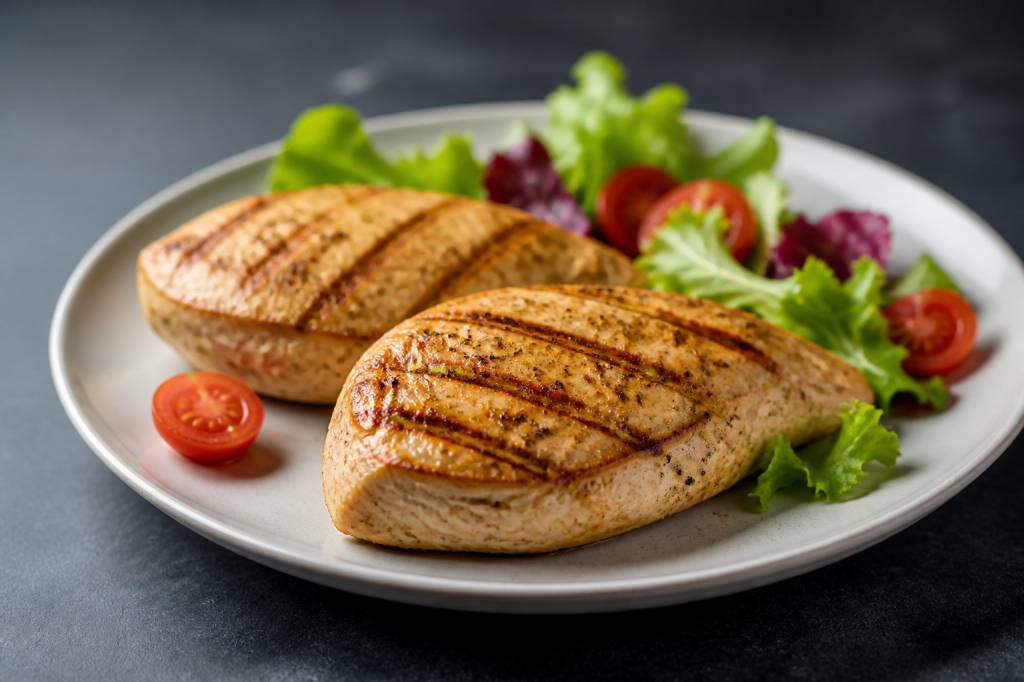
Chicken breast is often associated with bodybuilding meal prep: a grilled fillet, a container of rice, and perhaps more broccoli than anyone realistically wants to eat. But there is a good reason this food appears so often in muscle-building diets. Chicken breast provides a concentrated source of high-quality protein, including the amino acids your body needs to repair and build muscle tissue.
That matters not only for bigger muscles. Stronger muscles can also help you maintain a more stable, upright posture, especially when they are trained through a balanced exercise program. However, chicken breast is not a magic food that makes you taller or automatically corrects rounded shoulders. Its role is more practical: it supplies nutrients that support muscle development, recovery, and physical function.
So how much protein does chicken breast provide? How can it support posture? And how should you include it in your meals without turning every day into a repetitive fitness routine? Let’s look at the evidence and the practical details.
How much protein is in chicken breast?
The exact amount depends on the size of the portion and whether the chicken is weighed raw or cooked. As a general estimate, 100 grams of cooked, skinless chicken breast provides approximately 30 to 32 grams of protein. The same weight of raw chicken contains less protein per 100 grams because cooking removes water and concentrates the nutrients.
A typical cooked chicken breast weighing around 150 grams may therefore provide approximately 45 grams of protein. It is also relatively low in carbohydrates and, when the skin is removed, moderate to low in fat.
Chicken breast also contains several useful micronutrients, including:
- Vitamin B6, which participates in protein metabolism and energy production.
- Niacin, also known as vitamin B3, which supports normal energy metabolism.
- Selenium, a mineral involved in antioxidant protection and thyroid function.
- Phosphorus, which contributes to the maintenance of bones and normal energy metabolism.
- Small amounts of zinc, potassium, and other nutrients.
This nutritional profile makes chicken breast convenient for people who need more protein without adding a large amount of calories. Still, convenience should not be confused with nutritional superiority. Eggs, dairy products, fish, legumes, tofu, and lean meats can also contribute valuable protein. Variety remains important.
Why protein supports muscle growth
Muscle tissue is constantly being broken down and rebuilt. Resistance training creates a stimulus that challenges the muscles. Protein then supplies amino acids used to repair and adapt that tissue. When training, nutrition, and recovery are properly aligned, the body can gradually increase muscle size and strength.
Chicken breast is considered a complete protein because it contains all nine essential amino acids. These amino acids cannot be produced in sufficient amounts by the body, so they must come from food.
One amino acid that receives particular attention is leucine. Leucine helps activate pathways involved in muscle protein synthesis. Chicken breast contains a useful amount of leucine, although the muscle-building response depends on the total meal, the rest of the diet, the training stimulus, and individual factors such as age and activity level.
Eating chicken alone will not build significant muscle if there is no progressive resistance training. Your muscles need a reason to adapt. That reason might come from weightlifting, resistance bands, bodyweight exercises, climbing, or another form of progressively challenging training.
Think of protein as the building material and training as the construction instruction. A pile of bricks does not become a house without a plan. Similarly, a high-protein diet does not automatically create stronger muscles without appropriate exercise.
How much protein do you need?
Protein requirements vary according to body weight, age, training status, health, and overall diet. For generally healthy adults, the basic recommended dietary allowance is around 0.8 grams of protein per kilogram of body weight per day. This amount can help prevent deficiency, but people who train regularly may benefit from a higher intake.
For individuals involved in resistance training or seeking to build muscle, research commonly places a useful daily range around 1.4 to 2.0 grams per kilogram of body weight. The right amount depends on your goals and circumstances. More is not always better, particularly if it replaces vegetables, whole grains, fruit, healthy fats, or other important foods.
For example, a 70-kilogram adult who exercises regularly might aim for roughly 98 to 140 grams of protein per day. A 150-gram serving of cooked chicken breast could provide about 45 grams, which is a substantial contribution but not the entire daily requirement.
Distributing protein across meals may be more practical than eating almost all of it at dinner. A balanced day could include protein at breakfast, lunch, an afternoon snack, and dinner. This approach also makes meals more satisfying and can support recovery after training.
People with kidney disease, certain metabolic conditions, or specific medical needs should discuss protein intake with a qualified healthcare professional. Individual advice is more appropriate than applying a general target blindly.
What does muscle strength have to do with posture?
Posture is not a single position that you must hold rigidly all day. It is the way your body organizes itself while sitting, standing, walking, and moving. Good posture is not about looking perfectly straight at every moment. It is about having enough mobility, strength, coordination, and endurance to use comfortable and efficient positions.
Several muscle groups contribute to postural control, including:
- The deep muscles of the abdomen, which help stabilize the trunk.
- The gluteal muscles, which support the pelvis and hips.
- The spinal muscles, which help extend and stabilize the back.
- The muscles around the shoulder blades, which assist upper-back control.
- The neck muscles, which help support the head in relation to the spine.
When these muscles are weak or easily fatigued, maintaining an upright position can become more difficult. You may gradually slump while working at a desk, shift your weight unevenly, or allow your shoulders to roll forward. Building strength can make stable movement and more comfortable alignment easier.
Chicken breast supports this process indirectly. Its protein helps provide amino acids for muscle repair and adaptation after training. It does not “fix” posture on its own, and eating extra chicken cannot compensate for hours of inactivity or poor workstation habits.
Protein and posture: the realistic connection
Suppose you begin a program that includes rows, resistance-band pull-aparts, planks, squats, and hip-strengthening exercises. If you also consume enough protein and recover adequately, your muscles may become stronger over time. That strength can help you control your shoulder blades, pelvis, and trunk more effectively.
This is where the connection between chicken breast, muscle growth, and posture becomes meaningful. The food is part of the recovery process, while the exercises create the mechanical stimulus.
There are several important limits to keep in mind:
- Protein cannot lengthen the bones of an adult or increase skeletal height.
- Strength training does not permanently stretch the spine and make you taller.
- Posture improvements may change how tall or confident you appear, but this is not the same as biological growth.
- Pain, numbness, weakness, or a significant spinal curve should be assessed by a medical professional.
For children and teenagers, adequate protein is one part of overall nutrition during normal growth. However, height is influenced primarily by genetics, hormones, health, sleep, and total nutritional status. No single food can override these factors.
How to include chicken breast in a balanced meal
A chicken breast meal becomes more useful when it is combined with foods that provide carbohydrates, fiber, vitamins, minerals, and healthy fats. Carbohydrates are especially relevant for active people because they help fuel training sessions and daily movement.
A practical plate might include:
- One portion of grilled, baked, or gently pan-cooked chicken breast.
- A source of carbohydrates such as potatoes, brown rice, quinoa, whole-grain pasta, or bread.
- At least one generous serving of vegetables.
- A source of healthy fat, such as olive oil, avocado, nuts, seeds, or yogurt-based dressing.
For example, chicken breast with roasted potatoes, green beans, and olive oil is simple and balanced. A whole-grain wrap with sliced chicken, salad leaves, tomatoes, hummus, and plain yogurt sauce can work well for lunch. You can also add shredded chicken to a bean and vegetable soup for a higher-protein meal.
Not every meal needs to look like a fitness influencer’s lunch box. A sandwich can be perfectly appropriate when it contains a reasonable portion of chicken, whole-grain bread, vegetables, and a flavorful spread. Sustainable eating is usually more valuable than a perfect menu followed for three days.
Cooking methods matter
Chicken breast is lean, but its final nutritional profile depends partly on how it is prepared. Deep-frying, heavy cream sauces, and large amounts of cheese can significantly increase the calorie and saturated fat content of the meal. That does not make these foods forbidden, but it is useful to know what you are adding.
For everyday cooking, consider:
- Baking chicken with herbs, lemon, garlic, and a small amount of olive oil.
- Grilling or pan-cooking it without allowing the meat to become dry.
- Poaching chicken and adding it to salads, soups, or wraps.
- Using spices such as paprika, cumin, turmeric, black pepper, or oregano to vary the flavor.
- Preparing several portions in advance and storing them safely in the refrigerator.
Chicken must be cooked thoroughly. The thickest part should reach a safe internal temperature of 74°C, or 165°F. Avoid leaving cooked chicken at room temperature for extended periods, and refrigerate leftovers promptly.
Dry chicken is not a requirement of healthy eating. Marinating it in yogurt, lemon juice, herbs, or spices can improve texture and flavor. Cutting the breast into smaller pieces before cooking can also help it cook more evenly.
Chicken breast is not the only protein option
Eating chicken every day is unnecessary. A varied diet can provide different nutrients and make meals more enjoyable. Fish can contribute omega-3 fatty acids, dairy products provide calcium, eggs contain several essential nutrients, and legumes add protein along with fiber.
Plant-based options such as lentils, chickpeas, beans, tofu, tempeh, and soy products can also support muscle development. Some plant proteins are lower in one or more essential amino acids, but combining varied sources across the day can provide a complete nutritional pattern.
Other lean protein choices include turkey, lean beef, cottage cheese, Greek yogurt, and canned fish. If you follow a vegetarian or vegan diet, careful meal planning can help you meet protein requirements. A registered dietitian can provide personalized guidance when needed.
Training ideas for stronger postural muscles
Nutrition works best when paired with exercises that challenge the muscles involved in posture. Begin with manageable resistance and focus on controlled technique rather than rushing through repetitions.
- Rows: Strengthen the upper back and encourage better control of the shoulder blades.
- Face pulls or band pull-aparts: Train the muscles that help counter excessive forward shoulder movement.
- Planks: Challenge trunk stability without requiring spinal movement.
- Glute bridges: Strengthen the gluteal muscles and promote hip control.
- Squats: Train the legs, hips, and trunk as a coordinated unit.
- Chin tucks: Help improve awareness and endurance of the deep neck muscles.
Mobility also matters. Tightness around the chest, hips, or ankles can influence how you move, although stretching alone does not correct every postural issue. Frequent movement breaks are equally important if you work at a desk. Standing up, walking briefly, and changing position every 30 to 60 minutes can be more useful than trying to hold one “perfect” posture all day.
A simple daily example
Imagine a person who weighs 70 kilograms and exercises three times per week. Instead of eating an enormous portion of chicken at dinner, they might distribute protein throughout the day:
- Breakfast: Greek yogurt with oats, fruit, and seeds.
- Lunch: A chicken and quinoa salad with vegetables and olive oil dressing.
- Snack: Cottage cheese, milk, or a hummus and vegetable snack.
- Dinner: Lentil soup with whole-grain bread and a side of roasted vegetables.
This pattern provides protein from several sources, along with fiber, carbohydrates, vitamins, and healthy fats. The chicken contributes meaningfully, but it does not have to carry the entire nutritional plan on its shoulders—quite literally.
The practical takeaway
Chicken breast can be a convenient, high-quality protein source for people who want to build muscle and support a stronger body. By supplying essential amino acids, it helps the muscles recover from resistance training. Stronger muscles may then contribute to better trunk, shoulder, hip, and neck control, which can make an upright posture easier to maintain.
The most effective approach combines adequate protein with progressive exercise, sufficient sleep, regular movement, and a balanced diet. Choose chicken if you enjoy it, but do not treat it as a miracle food. Your posture will respond to how you train, move, and recover—not to one ingredient on your plate.