Garlic is small, inexpensive, and easy to overlook. Yet one fresh clove contains a variety of sulfur compounds that may support cardiovascular health, immune function, and overall wellness. It is not a miracle food, and it will not make you taller or replace medical treatment. However, adding garlic to a balanced diet can be a practical way to increase flavor while potentially gaining modest health benefits.
The key question is simple: what can one clove of garlic realistically do for your health? Let’s look at the science, the best way to prepare it, and the situations where caution is important.
What is inside one clove of garlic?
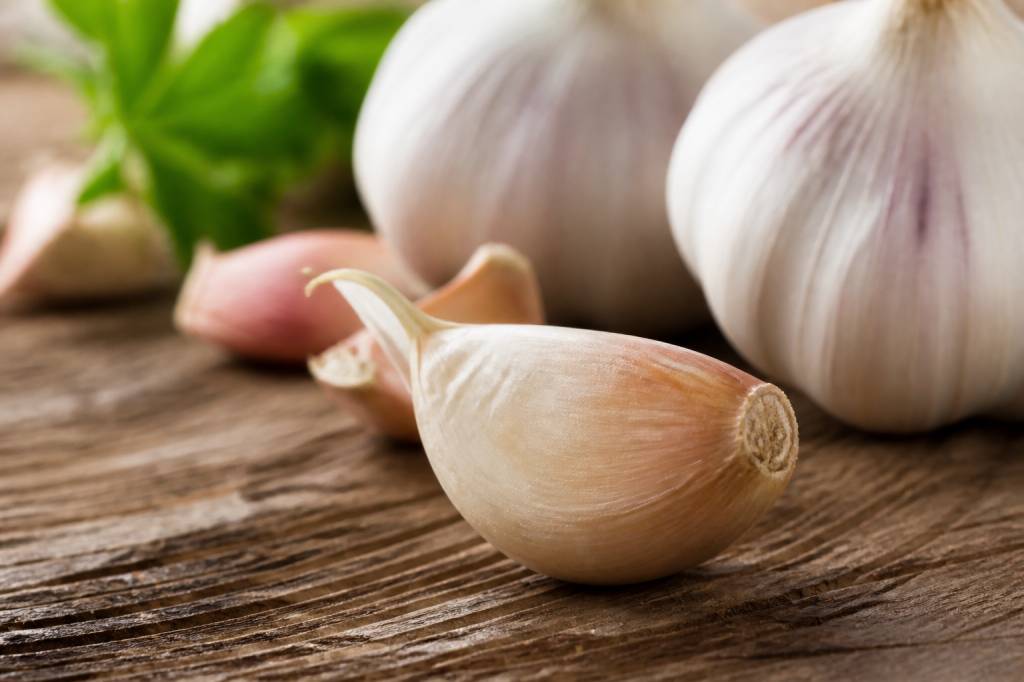
A typical garlic clove weighs approximately 3 to 5 grams, although size varies considerably. It provides very few calories—usually around 5 calories—but contains small amounts of vitamin C, vitamin B6, manganese, and other nutrients.
Its most interesting components are not necessarily vitamins or minerals. Garlic contains sulfur-containing compounds, including alliin. When the clove is crushed, chopped, or chewed, an enzyme called alliinase helps convert alliin into allicin. This is the compound responsible for much of garlic’s characteristic smell and flavor.
Allicin is highly reactive and relatively unstable. In practical terms, this means that how you prepare garlic matters. Crushing a clove and allowing it to rest briefly before cooking may help preserve more of the compounds formed during preparation.
Potential cardiovascular benefits
Garlic has been studied for its possible effects on several cardiovascular risk factors, particularly blood pressure and blood cholesterol. The results are promising but should be interpreted carefully.
Some clinical trials and reviews suggest that garlic supplements may produce a modest reduction in blood pressure in people with hypertension. The effects are generally more noticeable in individuals who already have elevated blood pressure, rather than in those whose readings are normal.
Research has also examined garlic’s influence on cholesterol. Certain standardized garlic preparations may slightly reduce total cholesterol and low-density lipoprotein cholesterol, often called LDL cholesterol. The effect is not comparable to that of prescribed medication, and results vary between studies. Fresh garlic in everyday cooking should be viewed as part of a heart-supportive diet—not as a substitute for treatment.
Why might garlic help? Its sulfur compounds may influence blood vessel function, oxidative stress, and inflammatory pathways. These mechanisms are biologically plausible, but they do not mean that eating one clove will immediately lower your blood pressure. Health improvements usually depend on consistent habits over time, including regular physical activity, sufficient sleep, a balanced diet, and medical follow-up when needed.
Garlic and immune support
Garlic is often described as a natural immune booster. That phrase sounds attractive, but it is more accurate to say that garlic may support certain aspects of immune function.
Laboratory studies have found antimicrobial activity in some garlic compounds. Small human studies have also explored whether garlic preparations may reduce the frequency or duration of common colds. Some results suggest a possible benefit, but the evidence remains limited and inconsistent. Most research has used specific supplements or aged garlic extracts rather than exactly one raw clove eaten at home.
Garlic should therefore not be presented as a treatment for infections. It cannot replace vaccination, antibiotics when prescribed, or professional medical care. Still, using garlic in meals can contribute to a varied diet that supplies antioxidants and plant compounds. Think of it as one small piece of the immune-health puzzle, not the entire puzzle box.
Antioxidant and anti-inflammatory properties
Oxidative stress occurs when the body produces more reactive molecules than its protective systems can manage efficiently. This process is involved in normal metabolism, but excessive oxidative stress is associated with aging and several chronic conditions.
Garlic contains compounds that can participate in antioxidant defenses. Aged garlic extract, in particular, has been studied for its antioxidant effects. Fresh garlic also contains sulfur compounds that may influence cellular protective pathways.
Garlic may additionally affect inflammatory processes. Chronic, low-grade inflammation is associated with conditions such as cardiovascular disease and metabolic disorders. However, the findings from laboratory and human research are not strong enough to claim that one clove directly prevents inflammation-related illness.
The most sensible approach is to include garlic alongside other plant foods. Vegetables, fruits, legumes, whole grains, nuts, seeds, herbs, and spices provide a much broader range of protective compounds than any single ingredient.
Possible benefits for blood sugar and metabolism
Some studies have investigated garlic supplements in people with type 2 diabetes or elevated blood sugar. A few suggest small improvements in blood glucose or other metabolic markers, particularly when garlic is used alongside standard lifestyle and medical care.
These findings are not definitive, and the dosage, form of garlic, and duration of each study differ. Eating one clove with a meal is unlikely to create a dramatic change in blood sugar. Nevertheless, garlic can make healthy foods more enjoyable without adding much salt, sugar, or saturated fat. That practical benefit should not be underestimated.
For example, roasted vegetables may be easier to eat regularly when seasoned with garlic, olive oil, lemon, and herbs. A simple garlic-based dressing can also make beans, lentils, or whole grains more appealing. In this way, garlic may support healthy eating indirectly by improving taste and variety.
Garlic and digestive health
Garlic contains carbohydrates known as fructans, which can act as prebiotic fibers. Prebiotics provide fuel for certain beneficial bacteria in the gut. Supporting a diverse gut microbiome is associated with better digestive and metabolic health, although the relationship is complex.
There is an important qualification: garlic can cause digestive discomfort in some people. Individuals with irritable bowel syndrome or sensitivity to fermentable carbohydrates may experience bloating, gas, abdominal pain, or changes in bowel habits after eating garlic. Raw garlic is often more difficult to tolerate than cooked garlic.
If garlic causes symptoms, reducing the portion may help. Infusing oil with garlic and then removing the pieces can provide flavor with less of the carbohydrate content, although homemade garlic oil must be handled safely because of the risk of bacterial growth. Store it in the refrigerator and follow food-safety guidance rather than keeping it at room temperature.
Does one raw clove provide more benefits?
Raw garlic often contains more active allicin-forming potential than garlic that has been exposed to high heat. Crushing or finely chopping a clove activates alliinase. Allowing the crushed garlic to sit for about 5 to 10 minutes before cooking may give the reaction more time to occur.
High temperatures can reduce alliinase activity and alter sulfur compounds. This does not make cooked garlic useless. Cooking still provides flavor and may make garlic easier to digest. The healthiest choice is the one you can enjoy consistently without discomfort.
- Raw: crush or mince the clove, let it rest briefly, then add it to dressings, yogurt-based sauces, hummus, or finished dishes.
- Lightly cooked: add garlic toward the end of cooking to preserve more flavor and potentially more active compounds.
- Roasted: roasting creates a mild, sweet flavor and is often easier on the stomach, although heat changes some compounds.
- With healthy fats: combine garlic with olive oil, vegetables, legumes, or fish for a balanced meal rather than eating it as an isolated “remedy.”
How to use one clove in everyday meals
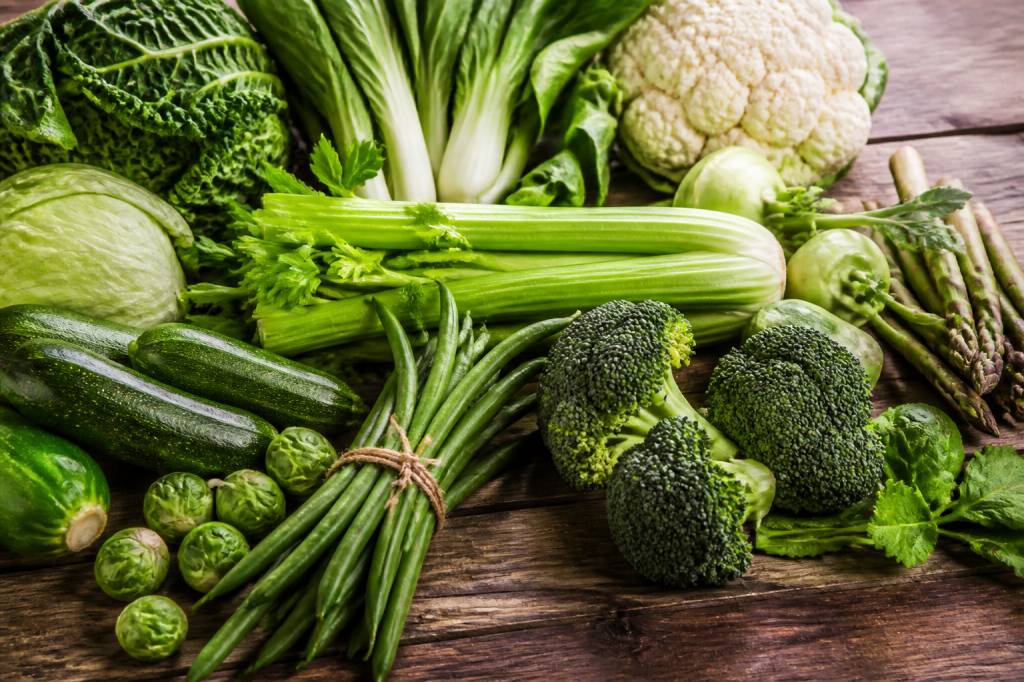
You do not need complicated recipes or large quantities. One clove can flavor an entire meal. Try mixing minced garlic with olive oil, lemon juice, parsley, and black pepper for a quick dressing. Add it to sautéed spinach, mushrooms, green beans, or zucchini. Stir a small amount into lentil soup, tomato sauce, or mashed chickpeas.
For a simple post-workout meal, combine roasted vegetables, beans or eggs, a whole grain, and a garlic-lemon dressing. This provides protein, carbohydrates, fiber, and micronutrients—far more useful for recovery and general wellness than relying on garlic alone.
If you are new to raw garlic, begin with half a clove mixed into food. Eating a large amount on an empty stomach is more likely to cause heartburn, nausea, or digestive irritation. Garlic is powerful in flavor; your stomach may appreciate a gradual introduction.
Fresh garlic versus garlic supplements
Garlic supplements are not all equivalent. They may contain garlic powder, aged garlic extract, oil macerate, or preparations designed to preserve allicin potential. Their doses and manufacturing standards vary, which makes direct comparison difficult.
A supplement may be appropriate for a specific medical reason, but it should not be selected casually. Evidence from a supplement study cannot automatically be applied to one fresh clove used in cooking. If you are considering garlic supplements for blood pressure, cholesterol, or another condition, discuss the option with a doctor or pharmacist.
Fresh garlic has a major advantage: it is a food. Used in reasonable amounts, it adds flavor and plant compounds without the cost or uncertainty of a concentrated product. It also encourages meals based on vegetables, legumes, and whole foods.
Who should be cautious with garlic?
Garlic is safe for most people when consumed as part of normal meals. Problems are more likely when large quantities are eaten raw or when concentrated supplements are used.
- Garlic may cause heartburn, nausea, abdominal discomfort, gas, or diarrhea.
- It can worsen symptoms in some people with reflux or irritable bowel syndrome.
- Garlic may have antiplatelet effects and could increase bleeding risk, particularly in high supplemental doses.
- People taking anticoagulant or antiplatelet medication should ask a healthcare professional before using garlic supplements.
- Discuss concentrated garlic products with a clinician before surgery or dental procedures.
- Anyone with a known garlic allergy should avoid it and seek medical advice if symptoms occur.
Normal culinary use is generally different from taking a high-dose supplement. Still, “natural” does not automatically mean risk-free. The dose and context matter.
What one clove cannot do
Garlic cannot detoxify the body, dissolve arterial plaques overnight, cure a cold, or replace a nutritious diet. It also cannot increase adult height. Height is influenced mainly by genetics and growth during childhood and adolescence; no food can lengthen bones once growth plates have closed.
Garlic may support general wellness, but it works best within a broader routine. Regular resistance and mobility training, good posture, adequate protein, calcium and vitamin D intake, restorative sleep, and medical care when appropriate have a much greater impact on physical health and how confidently you carry yourself.
A realistic daily approach
For most healthy adults, one fresh clove incorporated into a meal is a reasonable amount. Crush or chop it, wait a few minutes if convenient, and combine it with foods that contribute protein, fiber, and essential nutrients. Cook it if raw garlic causes irritation.
The real benefit is not a dramatic effect from a single clove. It is the cumulative value of making wholesome meals more enjoyable and sustainable. A little garlic in vegetable dishes, soups, legumes, and whole grains can help you eat well without relying on excessive salt, sugar, or ultra-processed sauces.
Used this way, garlic earns its place in a natural wellness routine: modest, useful, flavorful, and supported by science—provided we keep expectations realistic.