When people search for “0 calorie alcoholic drinks,” they usually want the social experience of a drink without the extra calories, sugar, or next-day regret. It is a reasonable goal—but there is one important scientific detail to understand first: alcohol itself contains calories.
Alcohol provides approximately 7 calories per gram. This means that a standard alcoholic drink cannot genuinely contain zero calories, even if it contains no sugar or carbohydrates. Some products are advertised as “zero calorie,” but the wording may refer to the mixer, a very small serving size, or a rounded nutrition label.
The good news? There are plenty of lighter options, including alcohol-free beers, sparkling drinks, low-calorie cocktails, and simple combinations that allow you to enjoy a social occasion without turning one evening into a calorie-heavy event.
Can an alcoholic drink really contain zero calories?
In practical terms, almost never. Pure alcohol contains energy, and most alcoholic drinks also include additional calories from sugar, fruit juice, syrups, cream, or sweetened mixers.
For example:
- A 30 ml serving of 40% spirits such as vodka, gin, rum, or whisky usually provides around 60–70 calories before adding a mixer.
- A standard glass of wine may contain approximately 120–150 calories, depending on the variety and serving size.
- A regular beer can provide 140–220 calories or more.
- A sweet cocktail may easily exceed 300 calories because of syrups, liqueurs, juice, and large serving sizes.
“Zero sugar” is not the same as “zero calorie.” A vodka soda contains no meaningful amount of sugar, but the vodka still contributes calories. This distinction is easy to miss, especially when packaging uses terms such as “light,” “skinny,” or “zero carbs.”
The best genuinely calorie-free alternatives
If your priority is to drink something with no calories at all, the most reliable choices are alcohol-free beverages. They do not provide the same effects as alcohol, but they can replicate some of the taste, ritual, and social experience.
Plain sparkling water
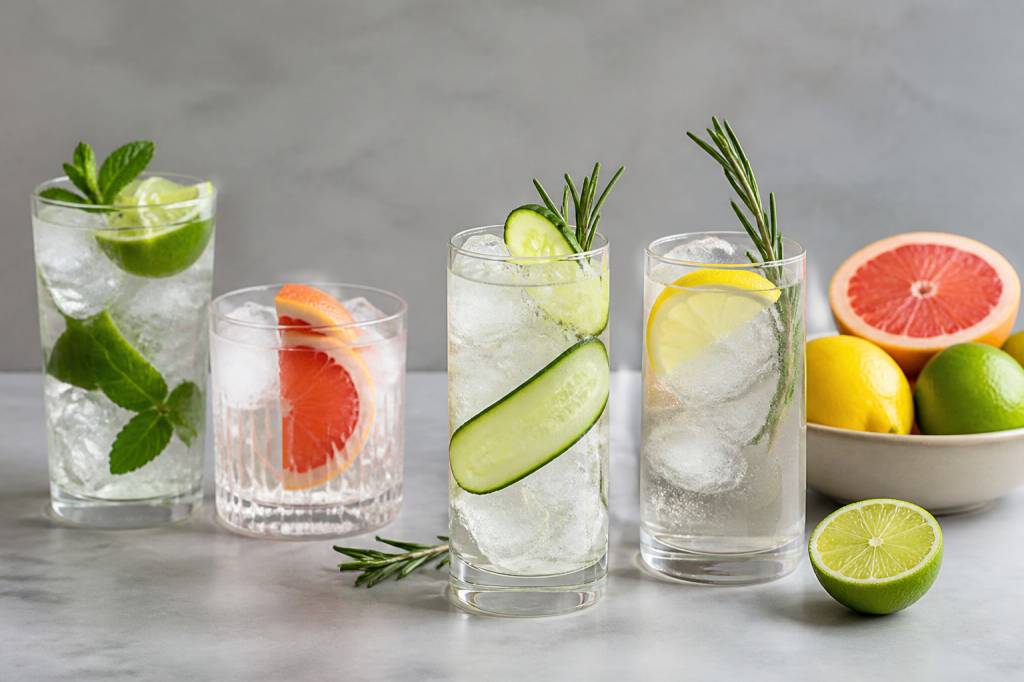
Sparkling water is the simplest zero-calorie option. It is refreshing, hydrating, and available in a wide range of flavors. Lime, grapefruit, lemon, cucumber, and berry varieties can make it feel more like a proper drink than a glass of tap water.
For a more festive presentation, serve it in a wine glass with ice, citrus slices, and fresh herbs. A sprig of rosemary or mint can make a surprisingly big difference. Sometimes the glassware does more psychological work than the drink itself.
Unsweetened flavored water
Unsweetened flavored waters are another practical choice. Check the label carefully, because some products contain added sugar, fruit juice, or sweeteners. If the nutrition panel lists zero calories and no added sugar, it can be a useful alternative to alcoholic drinks or sugary sodas.
Diet tonic water
Regular tonic water contains sugar and can add a significant number of calories. Diet tonic water, on the other hand, is usually very low in calories or calorie-free. It can be combined with lime, cucumber, or fresh herbs for a bitter, sophisticated drink.
Remember that adding gin changes everything: the tonic may contain zero calories, but the gin does not. A gin and diet tonic is lower in calories than a sugary gin and tonic, but it is not a calorie-free beverage.
Zero-calorie mocktails
A mocktail can be entirely calorie-free if it is made with unsweetened ingredients. Try combining:
- Plain sparkling water
- Fresh lemon or lime juice in a modest amount
- Ice
- Mint, basil, rosemary, or cucumber
- A small amount of a zero-calorie flavored drink, if desired
Fresh citrus juice contains a few calories, but the amount used for flavor is generally small. If you are tracking calories very strictly, use citrus peel or a few drops of juice instead.
Alcohol-free beer: a useful middle ground
Alcohol-free beer has become much better in recent years. Many brands now offer lagers, pale ales, wheat beers, and darker styles with more convincing flavor than earlier versions.
Most alcohol-free beers contain fewer calories than standard beer, but they are not automatically calorie-free. A typical bottle or can may contain around 50–100 calories, although the exact amount varies considerably. Some products also contain a small amount of alcohol, depending on how “alcohol-free” is defined in the country where you live.
Alcohol-free beer can be a good choice when you want the taste and ritual of beer without the effects of alcohol. It may also help people reduce their alcohol intake at social events. However, compare nutrition labels rather than relying only on front-of-pack claims.
Low-calorie alcoholic options
If you still want to consume alcohol, the goal is not to find a magic zero-calorie drink. The more realistic strategy is to choose a simple drink, control the portion, and avoid high-calorie additions.
Vodka or gin with soda water
A measured serving of vodka or gin with soda water is one of the lowest-calorie alcoholic combinations. Soda water contains no calories, and the main energy comes from the spirit itself.
Add lemon, lime, or cucumber for flavor. Avoid pouring by eye at home, because a “generous” measure can quickly become two standard drinks. Using a jigger or measuring cup may feel unnecessarily precise, but it is one of the easiest ways to understand what you are actually consuming.
Tequila with sparkling water and lime
Tequila, sparkling water, and lime create a crisp drink without sugary soda or syrup. As with any spirit-based drink, the calorie content depends on the amount of tequila used.
This option is often lighter than a traditional margarita, which may contain tequila, orange liqueur, sugar syrup, and a large amount of sweetened mixer. If you enjoy a salted rim, use a small amount of salt rather than covering the entire glass.
Light beer
Light beer generally contains fewer calories than regular beer because it has less alcohol, fewer carbohydrates, or both. The difference may be modest, but it can matter if you drink more than one serving.
Check the serving size. A “light” beer served in a large glass may contain more calories than a standard bottle. The label is more useful than the name.
Dry wine
Dry wine usually contains less residual sugar than sweet wine. A small glass of dry white, red, or sparkling wine can be a reasonable choice, but it still contains calories from alcohol.
Portion size is particularly important with wine. Home servings are often much larger than the standard serving used for nutrition information. Measuring one glass at home can be an eye-opening experiment—especially if your usual glass resembles a small aquarium.
Low-calorie hard seltzer
Many hard seltzers contain around 80–100 calories per can, depending on their alcohol content and formulation. They are often lower in sugar than cocktails, sweet cider, and regular mixed drinks.
However, not every hard seltzer is the same. Some contain added sugar, fruit juice, or a higher alcohol percentage. Read the label and check both calories and alcohol by volume.
Drinks that appear healthy but may be calorie-heavy
Several popular drinks have a health-oriented image but can contain substantial calories:
- Margaritas: Tequila is not the main issue; sweet-and-sour mix, orange liqueur, and syrup often add the most calories.
- Piña coladas: Coconut cream and pineapple juice create a rich, sugary drink.
- Frozen cocktails: Blended drinks may contain syrups, sweetened purées, and large portions.
- Sweet ciders: Some ciders contain as much sugar as a soft drink.
- Cream liqueurs: These combine alcohol with sugar and dairy or dairy alternatives.
- Alcoholic energy drinks: They may contain sugar, caffeine, and enough alcohol to make it difficult to judge how much you have consumed.
Fruit juice is another common source of hidden calories. It provides vitamins in some cases, but it also contains natural sugar and is easy to consume quickly. A splash of juice is very different from a full glass.
How to make a lower-calorie drink at home
A simple formula works well:
- Choose one measured serving of alcohol, if you want alcohol.
- Use a calorie-free mixer such as soda water or diet tonic.
- Add flavor with citrus peel, herbs, spices, cucumber, or berries.
- Serve the drink over plenty of ice.
- Use a smaller glass and sip slowly.
For example, try a citrus spritz made with 30 ml of gin, sparkling water, lemon peel, ice, and fresh mint. Or prepare a non-alcoholic version using sparkling water, cucumber, lime peel, and basil.
Another useful habit is to alternate alcoholic drinks with water or a zero-calorie beverage. This does not eliminate the calories in alcohol, but it can reduce the total amount you drink and support hydration.
Calories are only one part of the picture
Reducing calories does not make alcohol harmless. Alcohol can affect sleep quality, mood, blood pressure, liver health, coordination, and appetite. It may also make it easier to snack mindlessly or choose foods that are higher in salt, sugar, and fat.
For people trying to improve posture, training consistency, or body composition, this matters. A drink may contain relatively few calories, yet still interfere with recovery or sleep. Poor sleep can make exercise feel harder the next day and may increase cravings.
Alcohol should also be avoided during pregnancy, when driving, with certain medications, and in situations where impaired judgment could create a safety risk. If you do not drink, there is no health reason to start.
What to look for on the label
When comparing products, check the following information:
- Calories per serving: Confirm whether the listed serving matches the amount you will actually drink.
- Alcohol by volume: A higher percentage usually means more alcohol calories.
- Sugar and carbohydrates: These are especially relevant for sweetened drinks and cocktails.
- Serving size: A small can and a large can may have very different totals.
- Ingredients: Look for syrups, fruit concentrates, cream, and added sweeteners.
Be cautious with the term “zero.” In some cases, nutrition values are rounded down according to labeling rules. A product listed as zero calories may contain a very small amount, but it should not be interpreted as proof that alcohol has no energy.
A practical approach for social occasions
You do not need to make every social event a nutrition calculation. A realistic plan is often more sustainable than strict rules.
Before going out, decide what you actually want. Is it the taste of beer? The ritual of holding a drink? The social connection? Or simply something refreshing? Once you identify the purpose, it becomes easier to choose an appropriate alternative.
You might begin with sparkling water, have one measured alcoholic drink with a low-calorie mixer, and then switch back to a zero-calorie option. You can also ask for a mocktail made without syrup or juice. Most bartenders can prepare sparkling water with citrus and herbs if you explain what you prefer.
The best “zero calorie alcoholic drink” is therefore a bit of a myth. Alcoholic drinks contain calories, but you can make informed choices. For a genuinely calorie-free option, choose sparkling water, unsweetened flavored water, diet tonic, or a carefully prepared mocktail. If you choose alcohol, focus on portion size, simple ingredients, and fewer sugary mixers.
A healthier lifestyle is not built around one perfect drink. It comes from consistent habits: adequate sleep, nutritious meals, regular movement, sensible portions, and decisions that fit your real life. The good news is that your social life does not have to disappear while you work toward those goals.