
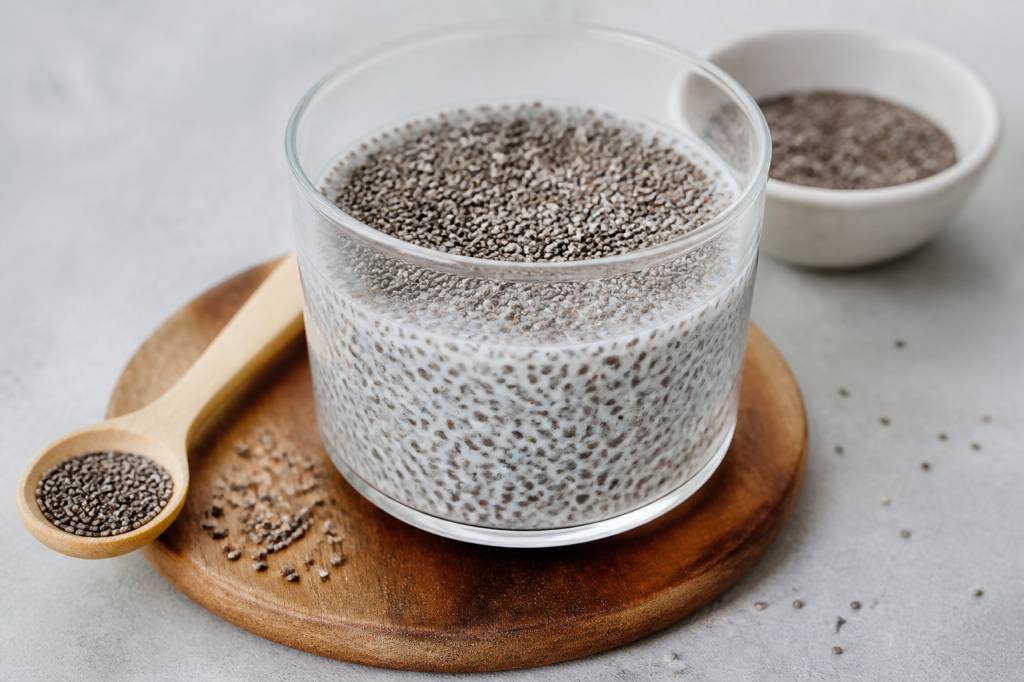
Chia seeds are small, but their nutritional profile is remarkably dense. A single tablespoon can add fiber, plant-based omega-3 fats, protein, calcium, magnesium, and phosphorus to a meal. But what happens when we look at a full cup of chia seeds—and can this amount really support bone health and growth?
The short answer is yes, chia seeds can contribute valuable nutrients to a bone-supportive diet. However, they are not a height-increasing food, and eating an entire cup is neither necessary nor particularly practical. The goal is to understand what chia seeds provide, how much you actually need, and how to combine them with the other nutrients bones require.
Nutrition facts for one cup of chia seeds
One cup of dry chia seeds weighs approximately 135 to 140 grams. Nutritional values vary slightly by brand and database, but a cup generally provides the following:
- Calories: approximately 650–680 kcal
- Protein: around 22–24 grams
- Total fat: approximately 40–43 grams
- Alpha-linolenic acid (ALA): about 5 grams per ounce, or roughly 24–25 grams per cup
- Carbohydrates: approximately 55–60 grams
- Dietary fiber: around 45–50 grams
- Calcium: approximately 850–900 mg
- Magnesium: around 450–470 mg
- Phosphorus: approximately 1,150–1,200 mg
- Potassium: around 550–600 mg
- Iron: approximately 10–11 mg
- Zinc: around 6 mg
These figures may look impressive—and they are. But a cup is a large serving. Most people use one to two tablespoons, not an entire cup. One tablespoon contains roughly 12 grams of chia seeds and provides about 60 calories, 4–5 grams of fiber, 2 grams of protein, and approximately 75–80 mg of calcium.
This distinction matters. A food can be nutrient-dense without needing to be eaten in large quantities. Chia seeds work best as a small nutritional addition to a balanced diet, not as the foundation of every meal.
Why calcium matters for bones
Calcium is the main mineral found in bones and teeth. During childhood and adolescence, the skeleton grows rapidly and stores calcium to build what is often called peak bone mass. Reaching a healthy peak bone mass is important because it can influence bone strength later in life.
One cup of chia seeds can provide close to the daily calcium requirement for many adults. For reference, recommended calcium intake is generally around 1,000 mg per day for adults, while teenagers typically need about 1,300 mg per day. Needs vary with age, sex, pregnancy, and other factors.
Still, chia calcium should not be treated as a perfect substitute for dairy products or fortified alternatives. Chia seeds contain phytic acid, a natural compound that can bind some minerals and reduce their absorption. This does not make chia seeds unhealthy. It simply means that the calcium listed on a nutrition label is not necessarily the amount your body absorbs.
Eating a varied diet helps compensate for this difference. Yogurt, milk, calcium-fortified plant beverages, tofu prepared with calcium, canned fish with edible bones, and certain leafy greens can all contribute to total calcium intake.
Magnesium and phosphorus: the supporting team
Bones are not made from calcium alone. Magnesium and phosphorus also participate in bone structure and mineralization.
Magnesium helps regulate vitamin D metabolism and contributes to normal muscle and nerve function. It is also involved in the formation of bone tissue. Chia seeds are particularly rich in magnesium, with a cup providing more than the daily requirement for many adults. A normal serving of one tablespoon offers a smaller but still useful contribution.
Phosphorus is another major mineral in bone. It works with calcium to form hydroxyapatite, the mineral structure that gives bones much of their hardness. Chia seeds contain a substantial amount of phosphorus, but most people already obtain enough from foods such as dairy products, meat, fish, eggs, beans, and grains.
More phosphorus is not automatically better. Bone health depends on balance, not on consuming the maximum possible amount of each mineral. This is one reason a varied eating pattern is more sensible than relying heavily on one “superfood.”
Protein: useful for growing bodies
Protein provides the amino acids needed to build muscles, connective tissue, enzymes, hormones, and bone-related proteins. Children and teenagers need adequate protein not only for height development but also for muscle growth and general tissue repair.
A cup of chia seeds contains more than 20 grams of protein, but this amount comes with a large number of calories and an enormous dose of fiber. A practical serving of two tablespoons provides approximately 4 grams of protein.
Chia protein is plant-based and contains all nine essential amino acids, although it is relatively lower in some amino acids than foods such as eggs, dairy, fish, or soy. Combining chia with other protein sources can create a more balanced eating pattern. Try chia seeds with Greek yogurt, soy yogurt, milk, fortified soy milk, oats, or a smoothie containing nut butter.
For growing children and adolescents, overall energy intake matters as much as protein. A young person who eats too little food, follows a restrictive diet, or regularly skips meals may not receive enough energy for normal development—even if their diet includes chia seeds.
Can chia seeds make you taller?
This is where realistic expectations are essential. Chia seeds cannot lengthen bones or increase height beyond a person’s genetic potential. Once growth plates have closed after puberty, no food can naturally make the long bones grow longer.
Before growth is complete, nutrition can support normal development. Adequate calories, protein, calcium, vitamin D, zinc, iron, and other nutrients help the body grow as it should. But eating extra chia seeds will not override genetics, hormonal factors, sleep patterns, or medical conditions that influence growth.
Think of nutrition as providing the building materials for a construction project. If the materials are missing, construction may suffer. Supplying more materials than needed does not make the building grow indefinitely. Bones are biological tissue, not a renovation project with an unlimited extension budget.
If a child or teenager is growing much more slowly than expected, has dropped across growth percentiles, or shows signs of delayed puberty, the appropriate step is a consultation with a pediatrician. A healthcare professional can assess growth patterns, nutrition, thyroid function, hormones, and other possible causes.
Chia seeds and vitamin D: an important limitation
Chia seeds contain several bone-supportive minerals, but they are not a meaningful source of vitamin D. This vitamin helps the body absorb calcium and plays an important role in bone mineralization and muscle function.
Vitamin D can come from sunlight exposure, fortified foods, eggs, oily fish, and supplements when medically appropriate. The amount produced through sunlight depends on skin type, season, location, clothing, age, and sunscreen use. It is not always possible to meet vitamin D needs through sunlight alone.
This is why a “bone health” meal should not stop at chia seeds. For example, chia pudding made with vitamin-D-fortified milk or fortified soy beverage provides a more complete nutritional combination than chia seeds mixed only with water.
How to use chia seeds in everyday meals
Most people can obtain the benefits of chia seeds from one to two tablespoons per day. There is no nutritional requirement to consume a cup. A cup is high in calories and fiber, and eating that amount suddenly may cause bloating, gas, abdominal discomfort, or diarrhea.
- Breakfast: Add one tablespoon to oatmeal, yogurt, or a bowl of fortified cereal.
- Chia pudding: Mix two tablespoons with milk or fortified soy beverage and refrigerate for several hours.
- Smoothies: Blend one tablespoon with fruit, yogurt, and a protein source.
- Whole-grain snacks: Sprinkle chia seeds over toast with nut butter or add them to homemade energy bites.
- Baking: Mix a small amount into muffins, pancakes, or whole-grain bread.
- Salads: Add one teaspoon to a dressing or sprinkle it over vegetables and beans.
When increasing your intake, start with one teaspoon or one tablespoon and drink enough fluid. Chia seeds can absorb several times their weight in water and form a gel. This is helpful in pudding, but consuming large amounts dry can be uncomfortable and may create a choking risk, particularly for children or people with swallowing difficulties.
Do chia seeds need to be soaked?
Soaking is not required for everyone, but it can make chia seeds easier to swallow and digest. It also creates the familiar gel texture. Soak them in milk, yogurt, or water for approximately 15 minutes to several hours.
Ground chia seeds are another option. Grinding may make them easier to incorporate into foods, although whole chia seeds still provide fiber and nutrients. Store chia seeds in a cool, dry place and keep them away from heat and moisture. Because they contain delicate unsaturated fats, refrigeration can help preserve freshness, especially after opening.
Who should be cautious?
Chia seeds are safe for most people when eaten in reasonable portions, but a few precautions are worthwhile:
- People with swallowing problems should avoid eating dry chia seeds and should discuss safe preparation with a healthcare professional.
- Those with digestive disorders or a very low-fiber diet should increase intake gradually.
- Anyone allergic to chia seeds should avoid them, although chia allergy is considered uncommon.
- People taking medication for blood pressure or blood sugar should monitor their response when making major dietary changes.
- Individuals using anticoagulant or antiplatelet medication should ask their healthcare provider before consuming very large amounts of chia seeds regularly.
These cautions do not mean chia seeds are dangerous. They simply reflect the fact that even healthy foods can interact with individual health conditions, medications, and digestion.
A practical bone-supportive chia meal
For a balanced option, try a simple chia breakfast: two tablespoons of chia seeds mixed with one cup of calcium- and vitamin-D-fortified soy beverage, plain Greek yogurt or soy yogurt, berries, and a small handful of walnuts.
This combination provides calcium, vitamin D, protein, fiber, healthy fats, and antioxidants. Add a boiled egg or another protein source if your overall breakfast is light. The meal supports bone health far more effectively than eating a large quantity of chia seeds alone.
For teenagers, a complete daily pattern should also include regular meals, vegetables and fruit, beans or lean protein, whole grains, calcium-rich foods, and sufficient sleep. Weight-bearing activity—such as walking, running, dancing, jumping, or resistance training adapted to age and ability—also helps stimulate bone strength.
The realistic role of chia seeds in bone health
A cup of chia seeds contains impressive amounts of calcium, magnesium, phosphorus, fiber, protein, and plant-based omega-3 fats. These nutrients can support a diet designed for healthy bones and normal development.
However, the most useful serving is usually one to two tablespoons, not one cup. Chia seeds should complement calcium-rich foods, vitamin D sources, adequate protein, regular physical activity, and sufficient overall energy intake.
If your aim is to support growth, focus on consistency rather than miracle ingredients: eat enough, choose a variety of nutrient-dense foods, stay active, sleep well, and seek medical advice when growth seems unusually slow. Chia seeds can be part of that plan—but they cannot replace the plan itself.