Bell peppers are one of those foods that make healthy eating look easy. They are colorful, crisp, naturally sweet and surprisingly low in calories. Whether you add them to a salad, roast them with vegetables or eat them straight from the fridge, bell peppers can bring plenty of nutrients to your plate without adding much energy.
But how many calories are actually in a bell pepper? Does the color change its nutritional value? And are cooked peppers still as healthy as raw ones? Let’s look at the facts in a practical, evidence-based way.
How many calories are in a bell pepper?
The exact calorie content depends on the pepper’s size and color. On average, one medium bell pepper contains approximately 25 to 40 calories. A large pepper may provide closer to 45 or 50 calories.
Here is a useful estimate for raw bell peppers:
- One small bell pepper: about 20–25 calories
- One medium bell pepper: about 30–40 calories
- One large bell pepper: about 45–50 calories
- 100 grams of raw bell pepper: approximately 25–35 calories
- One cup of chopped bell pepper: roughly 30–40 calories
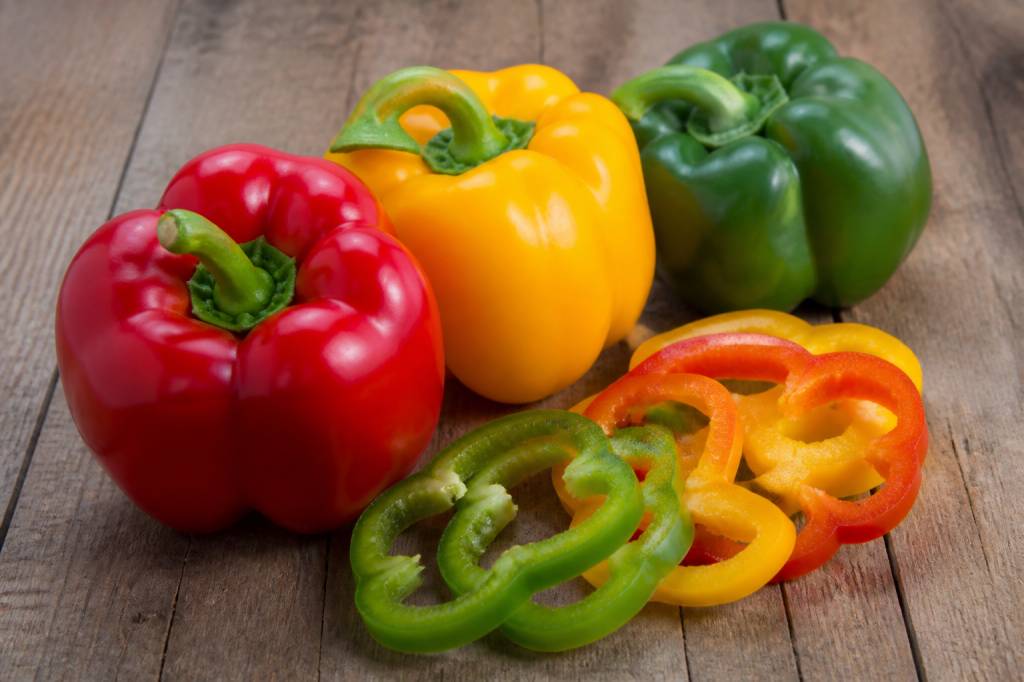
These values can vary slightly according to the pepper’s size, variety and ripeness. The good news is that bell peppers remain a low-calorie food regardless of whether you choose red, yellow, orange or green.
The main source of calories in bell peppers is carbohydrate. Most of this carbohydrate comes from naturally occurring sugars and dietary fiber. Bell peppers contain very little fat and only a modest amount of protein.
Bell pepper nutrition facts
Bell peppers are mostly water, which helps explain their low calorie density. They can add volume, flavor and texture to a meal without making it excessively heavy. This can be useful if you are trying to manage your weight while still eating satisfying portions.
A 100-gram serving of raw bell pepper generally provides:
- Calories: approximately 25–35
- Carbohydrates: around 6–7 grams
- Dietary fiber: about 2 grams
- Protein: around 1 gram
- Fat: less than 1 gram
- Water: approximately 90% or more
Bell peppers are also a source of vitamin C, vitamin A-related carotenoids, vitamin B6, folate, vitamin E and vitamin K. They contain smaller amounts of potassium and other minerals.
The nutritional profile becomes particularly interesting when you compare the different colors. All bell peppers are healthy, but they do not have exactly the same composition.
Do red, yellow, orange and green peppers have different calories?
Yes, there can be small differences, although they are not large enough to change the overall dietary picture.
Green bell peppers are harvested before they are fully ripe. They tend to have a more vegetal, slightly bitter flavor and usually contain a little less natural sugar than their mature counterparts. Red, yellow and orange peppers are more mature, which gives them a sweeter taste and often a slightly higher carbohydrate content.
In practical terms, the calorie differences are usually modest:
- Green bell peppers: often around 20–30 calories per 100 grams
- Red bell peppers: often around 30–35 calories per 100 grams
- Yellow bell peppers: often around 25–35 calories per 100 grams
- Orange bell peppers: often around 25–35 calories per 100 grams
A red pepper may taste noticeably sweeter than a green pepper, but it is still a low-calorie food. Choosing one color over another should be based mainly on taste, availability and the variety of nutrients you want to include.
Bell peppers are especially rich in vitamin C
One of the most notable benefits of bell peppers is their vitamin C content. Red and yellow peppers are particularly good sources, although green peppers also contribute a meaningful amount.
Vitamin C is involved in several important processes in the body. It supports normal immune function, contributes to collagen production and helps protect cells from oxidative stress. Collagen is a structural protein found in skin, blood vessels, cartilage, bones and connective tissue.
Vitamin C also helps improve the absorption of non-heme iron, the form of iron found in plant foods. This is one reason why adding sliced bell pepper to a bean salad, lentil dish or tofu bowl can be a smart combination.
For example, a meal containing lentils and red bell pepper may provide both plant-based iron and vitamin C. The pepper does not magically transform the meal, but it can help your body make better use of the iron present.
Antioxidants and colorful plant compounds
The bright colors of bell peppers come from natural pigments called carotenoids and other plant compounds. Red peppers, for example, contain carotenoids such as beta-carotene and capsanthin. Yellow and orange varieties contain different combinations of carotenoids, including lutein and zeaxanthin.
These compounds have antioxidant properties. Antioxidants help the body manage oxidative stress, which is produced naturally during normal metabolism and can also be influenced by factors such as pollution, smoking, excessive alcohol consumption and prolonged exposure to ultraviolet radiation.
It is important to keep the claim realistic. Eating bell peppers does not “detox” the body or prevent every disease. However, regularly eating a variety of colorful vegetables is consistently associated with a healthier dietary pattern. Bell peppers are an easy and enjoyable way to increase that variety.
Fiber for digestion and fullness
Bell peppers provide dietary fiber, even though they may not seem like a typical high-fiber food. A medium pepper can contribute a few grams of fiber, depending on its size.
Fiber supports normal bowel function and helps add bulk to the contents of the digestive tract. It may also help you feel satisfied after eating. This is useful when building meals designed to support healthy weight management.
Of course, one bell pepper cannot provide all the fiber you need for the day. Beans, lentils, whole grains, fruit, nuts and seeds are generally more concentrated sources. Think of bell peppers as one useful piece of the puzzle, not the entire puzzle box.
Are bell peppers good for weight management?
They can be. Bell peppers are low in calories, high in water and versatile enough to replace some higher-calorie ingredients.
For instance, you can use sliced peppers:
- As a crunchy alternative to chips with hummus
- In place of part of the cheese in a sandwich or wrap
- To add volume to omelets, soups and stir-fries
- As a topping for salads, grain bowls or tacos
- As a base for stuffed peppers with beans, vegetables and whole grains
The important detail is what you add to them. A raw pepper has very few calories, but a dish made with generous amounts of oil, cheese, cream or processed meat can be much more energy-dense. The pepper is not the problem; the preparation determines much of the final calorie count.
Raw versus cooked bell peppers
Raw bell peppers are crisp, refreshing and convenient. They are excellent for snacks and salads, and they retain their original texture. Cooking, however, can make them softer, sweeter and easier to combine with other foods.
Steaming, roasting, grilling or sautéing can all be part of a healthy diet. Some cooking methods may reduce certain heat-sensitive nutrients, including part of the vitamin C content. On the other hand, cooking can make some plant compounds easier to access and can improve the overall enjoyment of the meal.
The method matters. Roasting peppers with a small amount of olive oil is different from deep-frying them in a large quantity of oil. If calorie control is a priority, try using:
- A non-stick pan with a small amount of oil
- Air frying
- Steaming
- Grilling
- Roasting on parchment paper
There is no need to choose between raw and cooked vegetables. Eating both gives you different textures and flavors while making your diet more varied.
Does cooking increase the calories in a bell pepper?
Cooking itself does not significantly increase the calories in the pepper. What changes the calorie count is usually the ingredient used during cooking.
For example, a plain roasted bell pepper contains roughly the same amount of energy as the raw pepper, although water loss can make the calories more concentrated by weight. If you roast 100 grams of pepper, some water evaporates, so the final cooked weight may be lower. The total calories in the original pepper have not suddenly multiplied.
Oil is different. One tablespoon of oil contains approximately 120 calories. A small drizzle may be perfectly reasonable, but several tablespoons can quickly turn a light vegetable dish into a much more calorie-dense meal.
Are bell peppers suitable for low-carbohydrate diets?
Bell peppers contain carbohydrates, but the amount is relatively moderate. A medium pepper usually provides only a small portion of the carbohydrate found in foods such as bread, pasta or rice.
Green peppers generally contain slightly less natural sugar than red, orange or yellow peppers. Still, mature peppers can fit comfortably into many low-carbohydrate eating patterns, depending on the individual’s carbohydrate target and overall meal plan.
People with diabetes do not automatically need to avoid bell peppers. In fact, their fiber and nutrient content can make them a useful addition to balanced meals. Portion size, the total carbohydrate content of the meal and personal medical advice are more important than labeling a food as simply “allowed” or “forbidden.”
Can bell peppers support healthy growth and posture?
Bell peppers cannot make an adult taller, and no vegetable can lengthen bones after growth plates have closed. Be cautious with products that promise dramatic height increases through a single food or supplement.
However, good nutrition does support normal development during childhood and adolescence. Bell peppers contribute vitamin C, antioxidants and fiber, but they should be included as part of a broader diet containing adequate protein, calcium, vitamin D, healthy fats and overall energy.
For posture and physical performance, balanced nutrition also matters. Muscles, bones and connective tissues need a range of nutrients, while strength training, mobility work and adequate sleep play their own roles. A colorful plate will not replace good training habits, but it can support them.
Simple ways to eat more bell peppers
Bell peppers are easy to use, which is one of their biggest advantages. Keep washed, sliced peppers in a sealed container so they are ready when hunger appears. Convenience often matters more than motivation.
- Add chopped peppers to scrambled eggs or a vegetable omelet.
- Mix diced peppers into quinoa, brown rice or couscous.
- Stuff them with lentils, beans, lean meat or tofu.
- Roast them with onions, zucchini and tomatoes.
- Serve raw strips with hummus, yogurt dip or guacamole.
- Add them to soups, chili, fajitas and stir-fries.
- Blend roasted red peppers into a simple pasta or sandwich sauce.
For a balanced quick meal, try a bowl containing brown rice, black beans, roasted bell peppers, leafy greens and a spoonful of yogurt or avocado. You get carbohydrates for energy, protein, fiber and a broad selection of vitamins and minerals.
What about people who have digestive sensitivity?
Bell peppers are well tolerated by many people, but not everyone digests them comfortably. Some individuals may notice bloating, reflux or abdominal discomfort, particularly after eating large portions or raw peppers.
If this happens, try a smaller serving or cook the peppers until they are soft. Removing the skin may also make them easier to tolerate for some people, although it reduces convenience and may slightly change the fiber content.
Bell peppers are not hot peppers, so they do not contain significant amounts of capsaicin, the compound responsible for the burning sensation in chili peppers. Still, individual sensitivities vary. Persistent digestive symptoms deserve discussion with a qualified healthcare professional rather than self-diagnosis.
How to choose and store bell peppers
Look for peppers with firm, smooth skin and a solid feel for their size. Avoid those with deep wrinkles, soft spots, mold or extensive damage. A fresh pepper should feel crisp rather than limp.
Store whole bell peppers in the refrigerator, ideally in the vegetable drawer. They commonly keep for several days and sometimes longer, depending on their freshness. Once cut, place them in an airtight container and use them within a few days.
If you have more peppers than you can eat, chop and freeze them. Frozen peppers may lose some crispness, but they work well in soups, sauces, omelets and cooked dishes.
A practical take on bell pepper calories
With approximately 25 to 40 calories in a medium pepper, bell peppers are a nutrient-dense and flexible food. They provide water, fiber, vitamin C and colorful plant compounds while adding freshness and flavor to meals.
Red, yellow, orange and green peppers are all worthwhile choices. The small differences in calories matter far less than the overall quality of your diet and the way you prepare them. Eat them raw when you want crunch, cook them when you want sweetness, and combine them with protein-rich foods and healthy fats for a more complete meal.
Healthy eating does not need to be complicated. Sometimes, it starts with washing a pepper, slicing it into strips and putting it where you can see it.