
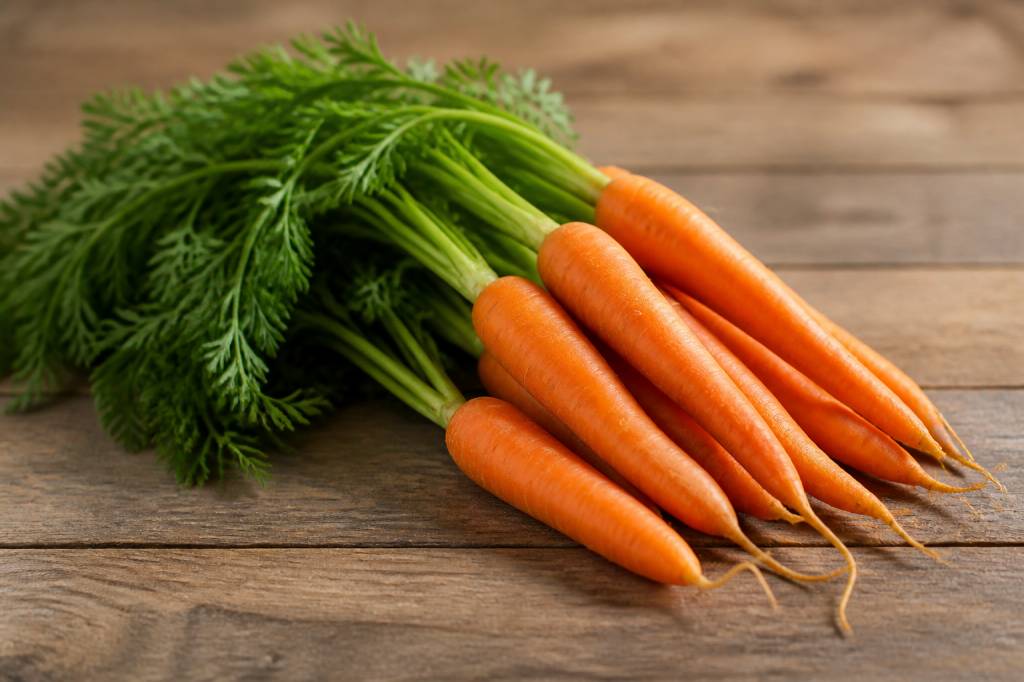
Carrots are one of those everyday foods that rarely receive the attention they deserve. They are inexpensive, easy to store, naturally sweet, and useful in everything from a quick snack to a hearty soup. But how many calories does a carrot actually contain? And do its bright orange roots offer more than a pleasant crunch?
The short answer is yes. Carrots are low in calories while providing fiber, carotenoids, vitamin K, and several other useful nutrients. They can support a balanced diet, eye health, digestive function, and overall well-being. They will not magically make you taller, but they can contribute to the nutrient-rich eating pattern your body needs for healthy development and daily energy.
How many calories are in a carrot?
The exact calorie content depends on the carrot’s size and how it is prepared. A raw carrot contains approximately 41 calories per 100 grams. Since most people eat one carrot rather than weighing it, these practical estimates are useful:
- One small carrot, around 50 grams: approximately 20 calories
- One medium carrot, around 60–70 grams: approximately 25–30 calories
- One large carrot, around 75–100 grams: approximately 30–40 calories
- One cup of sliced raw carrots, around 120 grams: approximately 50 calories
This makes carrots a convenient choice when you want something filling without adding many calories to your meal. Their natural sweetness can also help replace higher-calorie snacks, especially when paired with hummus, yogurt dip, or a small portion of nut butter.
However, the carrot itself is rarely the main source of calories in a carrot-based dish. Butter, oil, cream, cheese, honey, and sugary sauces can change the nutritional profile quickly. A plain steamed carrot remains very light; a carrot glazed with butter and brown sugar is a different story.
Carrot nutrition facts
According to standard food composition data, 100 grams of raw carrots provides approximately:
- Calories: 41
- Carbohydrates: 9.6 grams
- Dietary fiber: 2.8 grams
- Sugars: around 4.7 grams
- Protein: 0.9 gram
- Fat: 0.2 gram
- Water: about 88 grams
Carrots are not a significant source of protein or fat, so they work best as part of a varied meal. Combining them with eggs, beans, fish, poultry, tofu, olive oil, or nuts creates a more complete nutritional balance.
They also provide several micronutrients:
- Vitamin A activity: mainly in the form of beta-carotene
- Vitamin K1: involved in normal blood clotting and bone metabolism
- Vitamin C: an antioxidant that supports immune function and collagen production
- Potassium: important for fluid balance, nerve function, and muscle contraction
- Vitamin B6: involved in energy metabolism and nervous system function
- Biotin and other B vitamins: present in smaller amounts
Nutrient values can vary according to variety, growing conditions, freshness, and cooking method. These numbers should therefore be viewed as useful averages rather than laboratory measurements for every individual carrot.
Why are carrots orange?
The familiar orange color comes mainly from carotenoids, a family of plant pigments. The most prominent carotenoid in orange carrots is beta-carotene. Your body can convert beta-carotene into vitamin A, although the conversion rate varies from person to person.
Vitamin A is essential for normal vision, immune defenses, skin maintenance, and the health of several tissues. This is why carrots are often associated with good eyesight. There is some truth behind that reputation, but it has been exaggerated over time.
Eating carrots can help provide vitamin A, particularly when the overall diet is low in this nutrient. However, eating enormous quantities will not give you night vision or eliminate the need for glasses. Nutrition supports normal body functions; it does not override genetics, eye conditions, or aging.
Carrots and eye health
Beta-carotene is converted into retinal and other compounds needed for the visual cycle. A serious vitamin A deficiency can impair vision, particularly in low-light conditions. In that context, foods rich in provitamin A carotenoids, including carrots, can be valuable.
Carrots also contain smaller amounts of other carotenoids, such as lutein. These plant compounds are being studied for their potential role in protecting eye tissues from oxidative stress. Still, eye health depends on more than one food. Leafy greens, eggs, fish, legumes, colorful fruits, and regular medical care all have a place in a sensible approach.
If you experience blurred vision, persistent dry eyes, flashes, pain, or sudden changes in eyesight, do not attempt to solve the problem with extra carrots. An eye-care professional should assess those symptoms.
Do carrots help with weight management?
Carrots can be useful in a weight-management plan because they combine a relatively low calorie content with water and fiber. Fiber adds bulk to meals and may help you feel satisfied for longer. A crunchy carrot can also slow down eating compared with a handful of highly processed snack foods.
For example, consider two afternoon snacks:
- Option one: a medium carrot with two tablespoons of hummus
- Option two: a large pastry or a bag of fried snacks
The first option generally provides fewer calories and more fiber, while also contributing vitamins and minerals. Of course, no food is automatically “good” or “bad,” and one snack does not determine your health. The broader pattern matters: regular meals, adequate protein, movement, sleep, and a realistic relationship with food.
One detail is worth remembering: carrots are healthy, but portions of calorie-dense dips and sauces can be surprisingly large. If your goal is to manage calories, measure ingredients such as oil, tahini, mayonnaise, and nut butter occasionally. A healthy food can still be part of a high-calorie recipe.
Raw versus cooked carrots
Both raw and cooked carrots can fit into a nutritious diet, but they are not identical in texture or nutrient availability.
Raw carrots are convenient, crisp, and refreshing. Their firm texture may encourage slower eating, and they require no preparation beyond washing and cutting. They are ideal for lunch boxes, salads, and quick snacks.
Cooked carrots become softer and sweeter. Heating breaks down the plant structure, which can make some carotenoids easier for the body to absorb. Gentle cooking methods such as steaming, roasting, or lightly sautéing can preserve much of their nutritional value.
Water-soluble nutrients, particularly vitamin C, may decrease with prolonged boiling. If you boil carrots, using the cooking water in a soup or sauce can help avoid wasting some nutrients. Roasting is flavorful, but added oil increases calorie content, so a small amount is usually enough.
There is no need to choose one form permanently. Eating carrots both raw and cooked gives you variety and makes it easier to include them regularly.
Does adding fat improve carotenoid absorption?
Yes, a small amount of dietary fat can support the absorption of fat-soluble carotenoids such as beta-carotene. This does not mean you need to drown your vegetables in oil. A teaspoon of olive oil in a roasted vegetable dish, a few nuts in a salad, or a yogurt-based dip may be sufficient to make the meal more satisfying and support nutrient absorption.
This is a useful example of practical nutrition: the goal is not to remove all fat, but to use it thoughtfully. Fat also contributes flavor, helps with satiety, and allows you to enjoy vegetables more consistently.
Carrots and digestive health
One medium carrot contributes a modest amount of fiber. Fiber helps support regular bowel movements, nourishes beneficial gut bacteria, and can contribute to steadier digestion. Carrots contain both insoluble and soluble fiber, although the precise balance varies.
If your current diet is low in fiber, increase intake gradually and drink enough fluids. Suddenly eating large amounts of raw vegetables may cause bloating or discomfort. A gradual approach is usually easier for the digestive system.
People with specific digestive conditions may tolerate cooked carrots better than raw ones. Individual responses differ, so pay attention to your own symptoms and discuss persistent digestive problems with a qualified healthcare professional.
Can eating too many carrots turn your skin orange?
In rare cases, consuming very large quantities of beta-carotene-rich foods can cause a yellow-orange tint to the skin, a harmless condition called carotenemia. It is most noticeable on the palms and soles. The whites of the eyes remain white, which helps distinguish it from jaundice.
Carotenemia usually improves when intake of high-beta-carotene foods is reduced. It is not the same as vitamin A toxicity from supplements or animal sources of preformed vitamin A. Still, a sudden change in skin color should not automatically be dismissed. If you notice yellowing of the eyes, feel unwell, or have other symptoms, seek medical advice.
Are carrots useful for children and teenagers?
Carrots can be an excellent addition to meals for growing children and teenagers. They provide fiber, carotenoids, and water while adding color and mild sweetness. However, healthy growth depends on the entire diet, not one “superfood.” Children also need adequate energy, protein, calcium, iron, vitamin D, iodine, and other nutrients.
For younger children, prepare carrots in an age-appropriate shape and texture. Raw chunks can be a choking risk for toddlers. Soft-cooked carrot sticks, grated carrots, or purées may be safer options, depending on the child’s development. Always supervise young children while they eat.
For teenagers interested in height, carrots can support general nutrition but cannot increase height beyond genetic potential once growth plates have closed. During the growing years, the most useful habits are regular balanced meals, sufficient sleep, physical activity, and professional guidance when growth seems unusually slow.
Simple ways to eat more carrots
- Add grated carrot to a salad, sandwich, wrap, or grain bowl.
- Keep washed baby carrots available for a quick snack.
- Blend cooked carrots into a soup with lentils or beans for extra fiber and protein.
- Roast carrots with olive oil, garlic, cumin, and a pinch of salt.
- Mix grated carrot into oatmeal, muffins, or whole-grain pancakes.
- Combine raw carrot sticks with hummus, cottage cheese, or plain yogurt dip.
- Add sliced carrots to stir-fries, curries, and pasta sauces.
When possible, eat a variety of colors rather than relying only on orange carrots. Purple, yellow, white, and red varieties contain different combinations of plant compounds. Variety is one of the simplest ways to broaden your nutrient intake without making meals complicated.
A practical serving idea
For a balanced lunch, try a bowl containing roasted carrots, chickpeas, quinoa, leafy greens, and a spoonful of yogurt-tahini dressing. The carrots provide color, fiber, and carotenoids; chickpeas and quinoa add protein and carbohydrates; greens contribute additional vitamins; and the dressing supplies a small amount of fat to improve flavor and carotenoid absorption.
This type of meal demonstrates why nutrition should be viewed as a pattern rather than a list of isolated foods. Carrots are valuable, but their benefits are greatest when they are part of a varied plate.
The practical takeaway about carrot calories
With roughly 20 to 40 calories per carrot, this vegetable is an easy way to add volume, crunch, and nutrients to everyday meals. It supplies beta-carotene, fiber, potassium, vitamin K, and smaller amounts of vitamin C and other micronutrients. Raw carrots are convenient, while cooked carrots may make some carotenoids easier to absorb.
Enjoy them in different forms, combine them with a little healthy fat, and avoid expecting one food to transform your health overnight. A carrot will not replace a balanced diet, medical care, or consistent lifestyle habits—but it is a remarkably useful building block for all three.