When people search for “zero-carb vegetables,” they are usually looking for foods that are very low in carbohydrates, rich in nutrients, and easy to include in a healthy eating plan. The good news is that many vegetables fit this description. The important nuance is that almost no plant food is literally carbohydrate-free. Even leafy greens contain small amounts of natural carbohydrates.
That should not be a concern for most people. Vegetables provide fiber, vitamins, minerals, water, and protective plant compounds. They can also make a low-carb diet more satisfying and easier to follow. Instead of focusing on an impossible “zero,” it is more useful to choose vegetables with very few digestible carbohydrates per serving.
What does “zero-carb” really mean?
Vegetables contain different types of carbohydrates, including fiber and naturally occurring sugars. On food labels, people following a low-carb diet often look at net carbohydrates rather than total carbohydrates.
The basic calculation is simple:
Net carbohydrates = total carbohydrates − fiber
For example, if a serving contains 5 grams of total carbohydrates and 2 grams of fiber, it provides approximately 3 grams of net carbohydrates. This calculation is not perfect for every individual, but it offers a practical way to compare foods.
Serving size also matters. Eating a small handful of spinach is very different from eating an entire bowl topped with several tablespoons of a sugary dressing. A vegetable may be low in carbohydrates, but the sauces, marinades, breading, or cooking ingredients can change the nutritional profile quickly.
Why include low-carb vegetables in your diet?
Low-carb vegetables are not simply “filler” on a plate. They support several aspects of health and can make your meals more balanced.
- Fiber: Fiber supports digestive health, helps regulate blood sugar, and contributes to satiety.
- Micronutrients: Vegetables provide vitamin C, vitamin K, folate, potassium, magnesium, and other essential nutrients.
- Antioxidants: Colorful vegetables contain compounds that help protect cells from oxidative stress.
- Hydration: Many low-carb vegetables have a high water content, which contributes to daily fluid intake.
- Meal volume: They add texture and volume without providing large amounts of calories.
In practical terms, replacing some refined carbohydrates with vegetables can help you build meals that feel generous rather than restrictive. A plate of grilled chicken, sautéed zucchini, leafy greens, and olive oil is usually more satisfying than a small portion of chicken eaten alone.
The best very low-carb vegetables
The following options are among the most useful vegetables for a low-carb lifestyle. Their exact carbohydrate content varies depending on the variety, preparation, and serving size, so use nutrition labels or a reliable food database when precision matters.
Leafy greens
Spinach, lettuce, arugula, kale, Swiss chard, and collard greens are excellent foundations for low-carb meals. They are generally low in calories and digestible carbohydrates while supplying vitamin K, folate, vitamin C, and various carotenoids.
Spinach can be eaten raw in salads or quickly wilted in a pan. Kale and collard greens are firmer and often benefit from cooking. Arugula adds a peppery flavor to omelets, grilled meat, and vegetable bowls.
A simple idea is to combine leafy greens with eggs, avocado, a source of protein, and a dressing made from olive oil and lemon juice. This creates a meal with healthy fats, protein, and plenty of micronutrients.
Broccoli
Broccoli is a member of the cruciferous vegetable family. It provides fiber, vitamin C, vitamin K, and plant compounds such as sulforaphane precursors. It is filling, versatile, and easy to prepare.
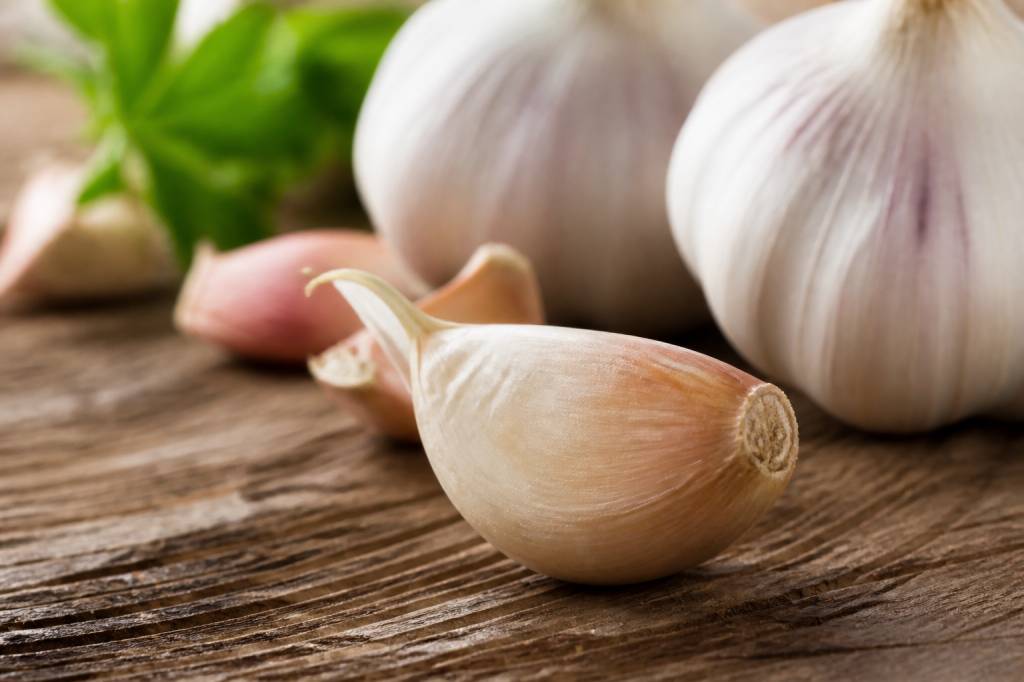
Try roasting broccoli with olive oil, garlic, and black pepper. You can also steam it and serve it with grilled fish, or blend cooked broccoli into a soup. Be careful with cheese sauces and packaged seasonings, which may contain added starch or sugar.
Cauliflower
Cauliflower has become popular as a low-carb alternative to rice, mashed potatoes, and pizza crust. It has a mild flavor and absorbs seasonings well.
Cauliflower rice is easy to prepare: pulse raw florets in a food processor, then cook them briefly in a pan. You can add herbs, mushrooms, or chopped spinach for extra flavor. Mashed cauliflower can be satisfying when blended with olive oil, garlic, or a small amount of plain Greek yogurt.
Cauliflower is not carbohydrate-free, but it is typically much lower in digestible carbohydrates than potatoes or rice. It is also a useful source of fiber and vitamin C.
Zucchini
Zucchini is light, hydrating, and naturally low in carbohydrates. It works well in stir-fries, soups, frittatas, and roasted vegetable dishes.
Using a spiralizer, you can turn zucchini into “zoodles.” These are not identical to pasta, but they provide a similar shape and can carry sauces effectively. For a more satisfying meal, combine zucchini noodles with meatballs, tofu, chicken, or a tomato sauce without added sugar.
One practical tip: zucchini releases water during cooking. If you want firmer noodles, cook them briefly and avoid overcrowding the pan.
Cucumber
Cucumber contains a high percentage of water and is refreshing in salads, sandwiches, and snacks. It contributes small amounts of vitamin K and potassium while remaining very low in calories and carbohydrates.
For a quick snack, pair cucumber slices with hummus, cottage cheese, or a yogurt-based dip. Although hummus and dairy products contain some carbohydrates, the overall combination can still fit comfortably into many low-carb eating patterns.
Asparagus
Asparagus is a good source of fiber, folate, and vitamin K. It has a naturally delicate flavor and cooks quickly.
Roast asparagus with olive oil and lemon, or add it to an omelet with mushrooms and herbs. It can also be grilled as a side dish for salmon or chicken. The thinner stalks are usually more tender, while thicker stalks may need a little more cooking time.
Mushrooms
Mushrooms are technically fungi rather than plants, but they deserve a place on this list. They are low in carbohydrates and provide B vitamins, selenium, and a savory umami flavor.
Sautéed mushrooms can make a meal feel richer without relying on heavy sauces. Add them to scrambled eggs, cauliflower rice, soups, or a vegetable stir-fry. Cook them over medium-high heat and avoid adding too much liquid, or they may become soft rather than nicely browned.
Celery
Celery is crunchy, hydrating, and very low in calories. It is often eaten raw with nut butter, cream cheese, or a protein-rich dip. It can also be used as a base for soups and stews.
Celery alone is not especially filling, so combine it with a source of protein or healthy fat. This is a general rule for snacks: vegetables provide volume, while protein and fat help sustain energy and satiety.
Cabbage
Green cabbage, red cabbage, and savoy cabbage are relatively low in carbohydrates and rich in fiber and vitamin C. They are also inexpensive, which makes them especially useful for healthy meals on a budget.
Use shredded cabbage as a salad base, sauté it with onions and spices, or add it to a stir-fry. Red cabbage brings color to the plate and contains anthocyanins, natural pigments with antioxidant properties.
Bell peppers
Bell peppers contain slightly more carbohydrates than leafy greens, but they can still fit into a low-carb diet, especially in moderate portions. Red, yellow, and orange peppers tend to taste sweeter because they are more mature, while green peppers have a sharper flavor.
They are excellent sources of vitamin C and can add color and crunch to salads, omelets, and grilled dishes. If your carbohydrate target is very strict, keep an eye on portion size rather than avoiding them automatically.
Are tomatoes, onions, and carrots allowed?
This depends on your personal carbohydrate target. Tomatoes, onions, and carrots are nutritious foods, but they contain more carbohydrates than leafy greens or cucumber.
Tomatoes provide vitamin C, potassium, and lycopene. A few slices in a salad or a small amount in a sauce are unlikely to be a problem for many people. Onions add flavor, but they can contribute carbohydrates when used in large quantities. Carrots are rich in beta-carotene and can be included in moderate portions, even though they are not among the lowest-carb vegetables.
A healthy diet does not need to exclude every food that contains more than a minimal amount of carbohydrate. The right choice depends on your goals, activity level, medical needs, and overall meal pattern.
Vegetables that require more portion awareness
Some vegetables are nutritious but more concentrated in starch. They may be less suitable for a very low-carb or ketogenic plan, particularly in large portions.
- Potatoes
- Sweet potatoes
- Corn
- Peas
- Parsnips
- Large portions of winter squash
This does not make them unhealthy. Potatoes, for example, provide potassium, vitamin C, and carbohydrates that can support physical activity. The question is not whether a food is “good” or “bad,” but whether it fits your individual nutritional plan.
How to prepare low-carb vegetables without adding hidden carbs
The vegetable itself is often not the issue. Preparation can change the meal considerably. Breaded vegetables, sweet sauces, and processed dressings may add more carbohydrates than expected.
For simple, flavorful cooking, try:
- Roasting with olive oil, garlic, paprika, or herbs.
- Steaming and finishing with lemon juice and black pepper.
- Sautéing with a small amount of butter or olive oil.
- Grilling zucchini, asparagus, cabbage, or mushrooms.
- Making homemade dressings from olive oil, vinegar, mustard, and herbs.
- Using fermented vegetables such as unsweetened sauerkraut or kimchi, while checking the label for added sugar.
Be cautious with bottled sauces, barbecue marinades, sweet chili sauce, and flavored salad dressings. “Healthy” packaging does not always mean low in sugar. Reading the ingredient list is a small habit that can make a significant difference.
Build a balanced low-carb plate
Vegetables are important, but a plate made only of vegetables may not provide enough protein or energy for everyone. A balanced low-carb meal commonly includes:
- Protein: eggs, fish, poultry, lean meat, tofu, tempeh, or legumes in a portion suited to your plan.
- Non-starchy vegetables: leafy greens, broccoli, zucchini, mushrooms, cabbage, or asparagus.
- Healthy fats: olive oil, avocado, nuts, seeds, or unsweetened dairy products.
- Flavor: herbs, spices, lemon, vinegar, garlic, and homemade sauces.
For example, you might prepare baked salmon with roasted asparagus and a cucumber salad. Another option is an omelet with spinach and mushrooms, served with avocado. These meals are straightforward, nutrient-dense, and far more enjoyable than treating low-carb eating as a punishment.
Important considerations for your health
Very low-carbohydrate diets are not appropriate for everyone. People with diabetes, kidney disease, liver disease, digestive conditions, or a history of disordered eating should seek personalized medical advice before making major dietary changes.
If you take medication that affects blood sugar, reducing carbohydrates significantly may change your treatment needs. Do not adjust medication without speaking with a qualified healthcare professional.
It is also worth remembering that carbohydrates are not inherently harmful. Fruits, whole grains, legumes, and starchy vegetables can all be part of a healthy diet. The best eating pattern is one that provides adequate nutrients, supports your lifestyle, and remains realistic over time.
A practical shopping list
To make low-carb meals easier during a busy week, keep a few reliable staples available:
- Spinach, lettuce, or arugula
- Broccoli and cauliflower
- Zucchini and cucumber
- Asparagus or green beans
- Mushrooms
- Cabbage
- Celery
- Fresh herbs, lemons, garlic, and spices
- Olive oil, vinegar, and unsweetened mustard
Frozen vegetables can be just as practical as fresh ones. Frozen broccoli, spinach, and cauliflower are often affordable, reduce food waste, and remain nutritionally valuable. Convenience is not the enemy of healthy eating; sometimes it is what makes healthy eating possible.
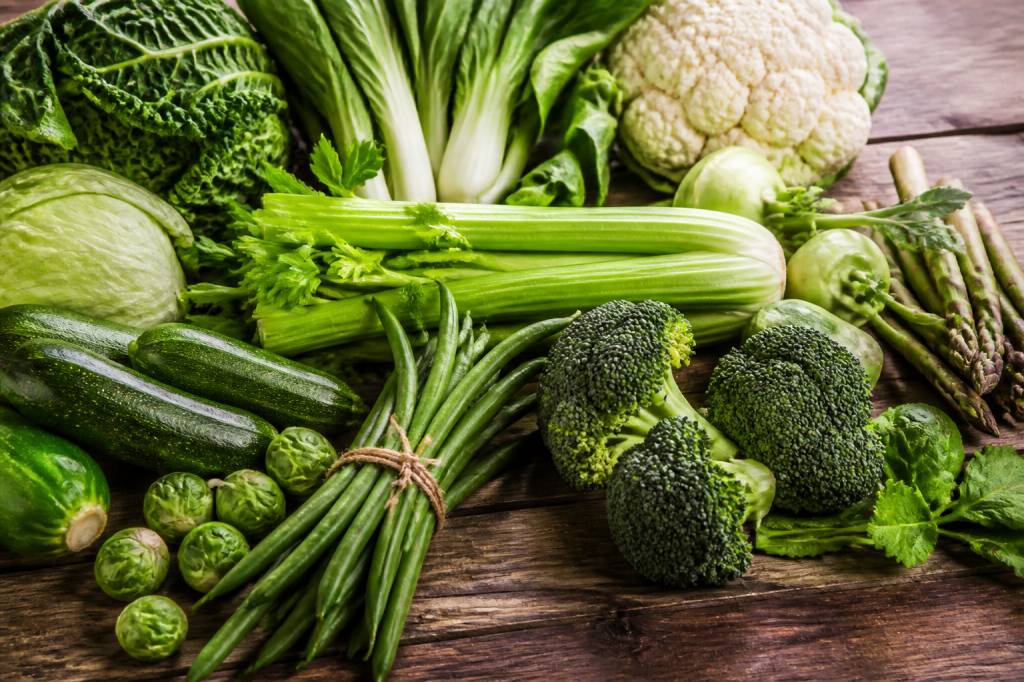
The most useful “zero-carb vegetables” are therefore best understood as very low-carb, non-starchy vegetables. Leafy greens, broccoli, cauliflower, zucchini, cucumber, asparagus, mushrooms, celery, and cabbage can form the foundation of a nutrient-rich lifestyle. Focus on variety, sensible portions, simple preparation, and the overall quality of your meals. That approach is more sustainable—and much more realistic—than chasing a mathematically perfect zero.