Bananas are one of those foods that seem simple at first glance. Peel it, eat it, done. But if you’re trying to manage your diet, build healthier habits, or simply understand what you’re putting on your plate, one question comes up again and again: how many calories are in a banana?
The short answer is that it depends on the size of the banana. A small banana has fewer calories than a large one, and the difference is big enough to matter if you eat bananas often. But calories are only part of the picture. Bananas also provide carbohydrates, fiber, potassium, vitamin B6, and a few other nutrients that make them a practical everyday food.
Let’s break it down clearly, without myths, drama, or “miracle food” claims.
How many calories are in a banana?
On average, a medium banana contains about 105 calories. That’s the number most nutrition databases and food labels use as a reference point.
Here’s a more detailed look based on size:
- Extra small banana (about 6 inches / 15 cm): around 70 calories
- Small banana (about 6–7 inches / 15–18 cm): around 90 calories
- Medium banana (about 7–8 inches / 18–20 cm): around 105 calories
- Large banana (about 8–9 inches / 20–23 cm): around 120 calories
- Extra large banana (over 9 inches / 23 cm): around 135 calories
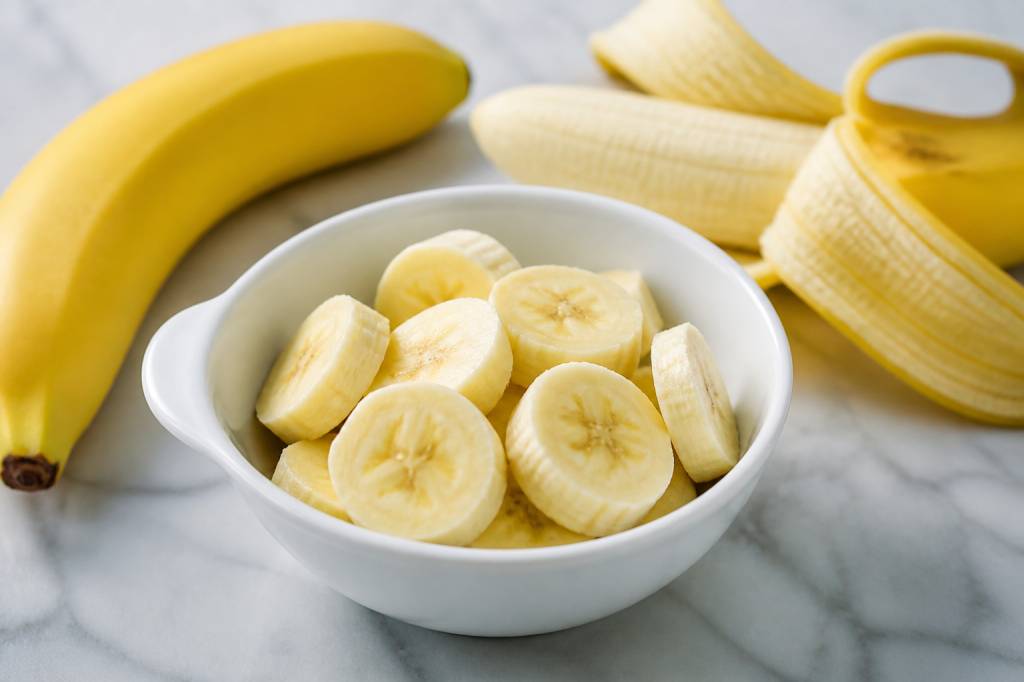
- Sliced banana, 1 cup: around 130 calories
So if you’ve ever picked up a banana thinking, “That seems healthy,” you’re right — but the calorie count can vary more than people expect. A tiny banana is not the same as the giant one you grab after a workout or at the office snack table.
Why banana calories vary so much
The main reason is simple: bananas are naturally different sizes. Unlike packaged foods, they aren’t standardized. Two bananas from the same bunch can differ quite a bit in weight, and the calories follow the weight.
Another factor is ripeness, although the calorie difference is usually small. As bananas ripen, some of their starch turns into natural sugars, which can make them taste sweeter. The total calories don’t change dramatically, but the texture, taste, and way your body digests them may shift a bit.
In practical terms, this means a ripe banana may feel more “dessert-like,” while a greener banana may seem less sweet and slightly more filling for some people. Same fruit, different experience.
What is actually in a banana besides calories?
Calories matter, but they don’t tell the whole story. A medium banana is more than just a source of energy.
Here’s what you typically get from one medium banana:
- About 27 grams of carbohydrates
- About 3 grams of fiber
- About 14 grams of natural sugars
- About 1 gram of protein
- Very little fat, usually less than 0.5 grams
- A good amount of potassium
- Vitamin B6
- Small amounts of vitamin C, magnesium, and manganese
This is why bananas are often used as a quick snack: they provide easily available energy without needing preparation. You don’t have to cook them, blend them, season them, or negotiate with them. They’re ready when you are.
Are bananas good for weight management?
Yes, bananas can absolutely fit into a balanced diet, including if your goal is weight management. The key is portion awareness and overall diet quality.
Some people avoid bananas because they assume the fruit is “too sugary.” But that’s usually an oversimplification. Yes, bananas contain natural sugar, but they also provide fiber and water, which help with satiety. A medium banana is not a high-calorie food. In most cases, the issue is not the banana itself, but what gets added to it.
For example:
- A banana alone: about 105 calories
- Banana with 2 tablespoons peanut butter: about 300 calories or more
- Banana in a smoothie with yogurt, oats, honey, and nut butter: easily 400–600 calories
None of those combinations are “bad.” But they are not interchangeable. If you’re watching energy intake, the banana is rarely the problem — the extras usually are.
Bananas can be especially useful when you need something filling and portable. They can help prevent random vending-machine decisions that somehow always involve a pastry and regret.
Banana calories compared with other fruits
Bananas are often seen as more calorie-dense than some other fruits, and that’s true. But “higher calorie” does not mean “unhealthy.” It simply means they provide more energy per piece than fruits like strawberries or watermelon.
Here’s a rough comparison for one serving:
- Apple, medium: about 95 calories
- Orange, medium: about 60 calories
- Banana, medium: about 105 calories
- Grapes, 1 cup: about 104 calories
- Strawberries, 1 cup: about 50 calories
- Avocado, 1/2 fruit: about 120 calories
So bananas sit in the middle of the pack. They are not a low-calorie fruit, but they are certainly not a calorie bomb either. If you compare them with processed snack foods, bananas look even better.
Do green bananas and ripe bananas have the same calories?
They’re very close in calories, but the type of carbohydrate changes as the banana ripens.
Greener bananas contain more resistant starch. This starch is digested more slowly and may have a milder effect on blood sugar. It also tends to be less sweet and a bit firmer in texture.
Riper bananas contain more simple sugars, which makes them sweeter and easier to digest for some people. If you like bananas in baking, smoothies, or as a quick pre-exercise snack, ripe bananas are usually preferred.
So if you’ve ever wondered why a very ripe banana tastes almost like candy, that’s not your imagination. The fruit has literally changed during ripening. Nature does enjoy a little transformation.
Are banana calories “empty” calories?
No. Bananas are not empty calories. That term usually refers to foods that provide energy with very little nutritional value, such as sugary drinks or highly processed snacks.
Bananas give you calories, yes, but they also deliver:
- Fiber, which supports digestion and satiety
- Potassium, which is important for muscle and nerve function
- Vitamin B6, which plays a role in metabolism
- Natural carbohydrates that can be useful before or after physical activity
For that reason, bananas are a smart, practical food rather than a “just sugar” food. They are particularly useful for active people, students, commuters, and anyone who needs a snack that won’t crumble in a bag or melt in a pocket.
When is a banana a smart snack?
Bananas can be especially useful in several situations.
Before exercise: Bananas are easy to digest and provide quick energy. A medium banana about 30 to 60 minutes before training can work well for many people.
After exercise: A banana can help replenish carbohydrate stores, especially when paired with protein, such as yogurt, milk, or eggs.
On busy mornings: If breakfast is usually “coffee and hope,” a banana adds fast nutrition with minimal effort.
As a travel snack: Bananas are convenient, cheap, and widely available. That combination is hard to beat.
For children and older adults: Their soft texture and natural sweetness often make them easy to eat and enjoy.
How to eat bananas without turning them into a calorie trap
Bananas are healthy, but the way you eat them can change the calorie count a lot. The banana itself is not the issue; the toppings and pairings are where calories can pile up.
Here are a few practical examples:
- Better option: banana with plain Greek yogurt
- Less controlled option: banana with sweetened flavored yogurt and granola
- Better option: banana sliced on oatmeal
- Less controlled option: banana bread loaded with sugar and butter
- Better option: banana with a handful of nuts
- Less controlled option: banana dipped in chocolate and drizzled with caramel
Again, none of these foods are forbidden. The point is simply to know what you’re eating. A banana can stay a light snack or become part of a high-calorie dessert depending on what you add.
What about banana bread, banana chips, and smoothies?
This is where many people get confused. A banana itself is one thing. Banana-based products are another story.
Banana bread often contains flour, sugar, butter or oil, and sometimes chocolate chips or nuts. One slice can easily contain 200 to 400 calories, depending on the recipe.
Banana chips are usually fried or dried with added sugar, which makes them much more calorie-dense than fresh bananas. A small handful can deliver far more calories than you’d expect.
Banana smoothies can be healthy, but the calorie count depends on ingredients. A simple blend of banana and milk is very different from a smoothie with juice, peanut butter, oats, protein powder, and honey.
If your goal is to keep calories reasonable, fresh banana is the simplest choice. It’s the version that keeps the nutrition clear and the ingredient list refreshingly short.
Should you worry about bananas if you want to eat healthy?
Usually, no. Bananas are a useful, affordable fruit that can fit into most eating patterns. You do not need to fear them, count every bite obsessively, or treat them like a hidden dessert.
If you’re trying to improve your diet, a better question is not “Are bananas allowed?” but “How do bananas fit into my overall day?”
That approach is more realistic and more useful. A banana as part of a breakfast with protein and fiber is very different from a banana on top of a sugar-heavy snack routine. Context matters.
Simple takeaways for everyday use
If you want the short version, here’s what to remember:
- A medium banana has about 105 calories
- Smaller bananas have fewer calories; larger bananas have more
- Bananas provide carbohydrates, fiber, potassium, and vitamin B6
- They are useful as a quick snack, especially before or after exercise
- The banana itself is not the problem; toppings and recipes can raise calories quickly
- Fresh bananas are generally a better option than banana chips or heavily sweetened banana recipes
So, how many calories are in a banana? Enough to matter, but not enough to cause stress. A banana is a balanced, convenient fruit that deserves its place in a healthy diet. If you choose the right portion and pay attention to what you pair it with, it can be one of the easiest smart snacks in your day.