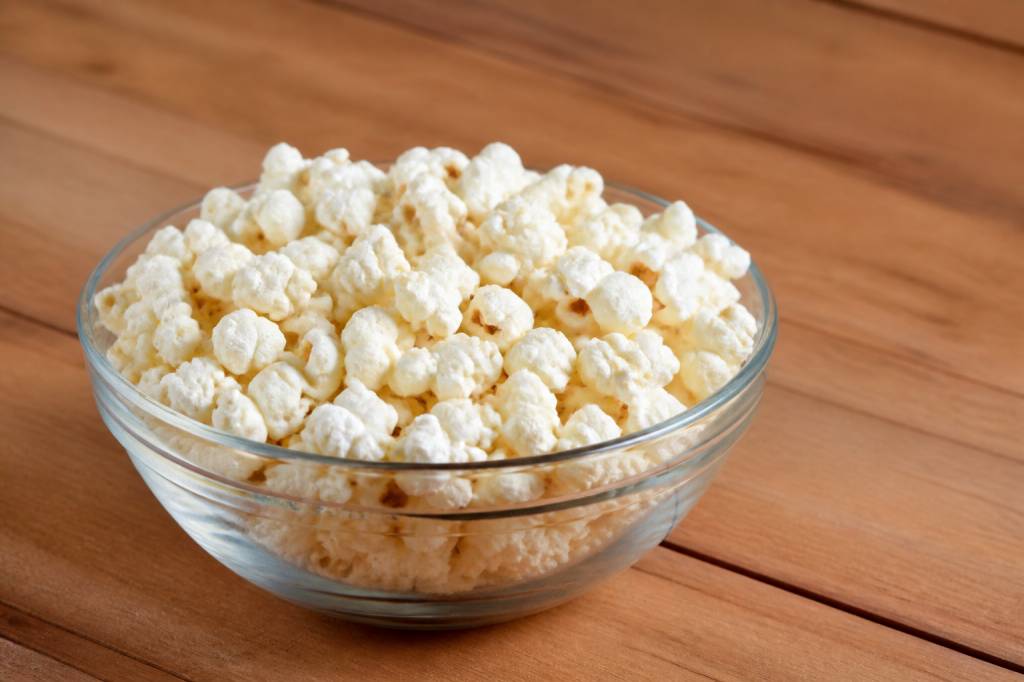
If you are looking for a light, crunchy snack, air-popped popcorn is difficult to ignore. It is inexpensive, easy to prepare, and naturally made from a whole grain. But how many calories are actually in one cup of air-popped popcorn?
One cup of plain, air-popped popcorn contains approximately 30 to 31 calories. That number applies to popcorn prepared without oil, butter, sugar, caramel, or other toppings. The moment ingredients are added, the calorie count can change quickly.
For anyone paying attention to nutrition, appetite control, or overall lifestyle habits, popcorn can be a useful snack. Still, portion size and preparation method matter. A large cinema-style bucket covered in butter is a very different food from one measured cup of homemade air-popped popcorn.
How many calories are in 1 cup of air-popped popcorn?
According to data from the USDA FoodData Central database, 1 cup of air-popped popcorn weighs roughly 8 grams and provides about:
- 30–31 calories
- 6 grams of carbohydrates
- 1 gram of protein
- 1 gram of dietary fiber
- Less than 0.5 gram of fat
- Very little sodium when no salt is added
These values are estimates because the size of the popped pieces can vary. One cup filled with small, dense pieces may contain slightly more popcorn by weight than a cup filled with large, airy pieces. Even so, 30 calories is a useful number for everyday tracking.
It is also important to understand what “air-popped” means. The kernels are heated until the moisture inside them turns to steam and causes them to burst. No oil is required. This is why air-popped popcorn is significantly lower in calories than popcorn popped in oil.
Why popcorn can be a filling snack
Popcorn is a whole grain. The entire kernel is used, including the bran, germ, and endosperm. This gives it more nutritional value than many refined snack foods, such as ordinary crackers or some types of chips.
Its main advantage is volume. One cup contains only about 30 calories, so a larger bowl can still fit comfortably into many balanced eating patterns. Three cups of plain air-popped popcorn provide approximately 90 calories, while also offering around 3 grams of fiber.
Fiber can help support normal digestion and may contribute to a greater feeling of fullness. However, popcorn is not a magical appetite-control food. If it is covered with butter, oil, cheese powder, or caramel, the calorie content can rise considerably. The popcorn itself is light; the toppings are often where the real energy increase occurs.
Nutrition facts for common serving sizes
Looking at several portions can make the numbers easier to understand:
- 1 cup: approximately 30–31 calories
- 2 cups: approximately 60–62 calories
- 3 cups: approximately 90–93 calories
- 4 cups: approximately 120–124 calories
- 6 cups: approximately 180–186 calories
Many people consider 3 cups a normal snack portion. It looks generous in a bowl, yet plain air-popped popcorn remains relatively low in calories. This makes it a practical alternative when you want something crunchy but do not want to consume a large amount of energy.
Of course, your individual calorie needs depend on factors such as age, body size, activity level, health status, and overall diet. A snack should be judged in the context of your complete day rather than in isolation.
Air-popped popcorn versus oil-popped popcorn
The cooking method has a direct effect on calories. Air-popped popcorn uses heat alone, while oil-popped popcorn absorbs some of the cooking fat.
One teaspoon of oil contributes approximately 40 calories. One tablespoon provides roughly 120 calories. If you prepare several servings with a tablespoon of oil, the popcorn itself may still be fairly light, but the added fat can double or triple the total calories.
For example, suppose you pop 3 cups of kernels with 1 tablespoon of oil. The popcorn may provide around 90 calories, while the oil adds about 120 calories. The batch would contain approximately 210 calories before salt, butter, or other toppings are added.
This does not mean oil is unhealthy or forbidden. Dietary fats are important for normal body function, and oils such as olive oil can be part of a balanced diet. The point is simply that oil is calorie-dense, so measuring it is more reliable than pouring it directly from the bottle.
How butter and toppings change the calorie count
Plain popcorn is one thing. Topped popcorn is another. Here is how common additions can affect a 3-cup serving:
- Plain air-popped popcorn: about 90 calories
- 1 teaspoon of melted butter: add approximately 34 calories
- 1 tablespoon of butter: add approximately 100 calories
- 1 teaspoon of olive oil: add approximately 40 calories
- 1 tablespoon of olive oil: add approximately 120 calories
- 1 tablespoon of grated Parmesan: add approximately 20–25 calories
- 1 tablespoon of sugar: add approximately 48 calories
These figures are approximate, but they illustrate a useful principle: the flavoring can contain more calories than the popcorn. A bowl that starts at 90 calories can quickly become a 200- or 300-calorie snack, especially when several toppings are combined.
Salt does not add many calories, but large amounts of sodium may be a concern for people who need to limit sodium intake. Readymade popcorn seasoning can also contain added fats, sugar, or a surprisingly large amount of salt. Checking the nutrition label is a simple way to avoid guessing.
Is popcorn a good choice for weight management?
Plain air-popped popcorn can fit well into a weight-management plan because it offers a large portion for relatively few calories. This may be helpful for people who prefer to eat a substantial volume of food rather than a very small serving of a calorie-dense snack.
However, no single food causes weight loss. Changes in body weight are influenced by overall energy intake, physical activity, sleep, stress, medications, and many other factors. Popcorn can support a balanced routine, but it cannot compensate for an eating pattern that regularly provides more energy than the body uses.
A practical approach is to place a measured serving in a bowl instead of eating directly from a large container. Why? Because hands tend to keep returning to the bag, particularly during a film or while working at a desk. Portioning the snack first creates a natural stopping point.
Does popcorn provide useful nutrients?
Although popcorn is not a complete meal, it does provide several nutrients:
- Fiber: supports normal bowel function and contributes to a balanced diet.
- Whole-grain carbohydrates: provide energy for daily activities and exercise.
- Small amounts of protein: contribute to total daily protein intake.
- Minerals: popcorn contains modest amounts of minerals such as magnesium, phosphorus, and zinc.
- Polyphenols: popcorn contains plant compounds with antioxidant activity, particularly in the hull.
The nutritional value depends on the rest of your diet. Popcorn should not replace vegetables, fruits, legumes, nuts, dairy products, or other protein-rich foods. Think of it as a useful whole-grain snack, not a nutritional shortcut.
How to make air-popped popcorn at home
Preparing popcorn at home gives you control over the ingredients and portion size. An electric air popper is convenient, but you can also use a microwave-safe bowl with a vented lid.
For a simple method:
- Measure the kernels before popping.
- Place them in an air popper or suitable microwave container.
- Do not seal a microwave container completely, since steam needs to escape.
- Stop heating when the popping slows to approximately two seconds between pops.
- Transfer the popcorn to a bowl and add seasonings gradually.
- Measure oil or butter with a teaspoon or tablespoon rather than estimating.
Three tablespoons of unpopped popcorn kernels usually produce several cups of popped popcorn, although the exact yield varies. Always check the packaging if you need precise calorie tracking, because nutritional labels may list values for a specific weight of kernels rather than for the final popped volume.
Flavor ideas without a large calorie increase
If plain popcorn seems boring, you do not need to cover it in butter to make it enjoyable. Try adding flavor through herbs, spices, or a small measured amount of a stronger ingredient.
- Smoked paprika and a pinch of garlic powder
- Black pepper and a small amount of grated Parmesan
- Cinnamon with a light dusting of unsweetened cocoa powder
- Dried rosemary, thyme, or oregano
- Nutritional yeast for a savory, cheese-like flavor
- Chili powder and lime zest
- A small amount of olive oil mixed with lemon pepper seasoning
Use caution with very fine powders, especially if you have allergies or sensitivities. Also remember that “natural” flavorings are not automatically calorie-free or suitable for everyone. The ingredient list still matters.
Common mistakes when counting popcorn calories
Several simple errors can make popcorn seem lower in calories than it really is.
- Confusing popped and unpopped measurements: one cup of kernels is not one cup of popcorn. Kernels expand substantially during popping.
- Ignoring cooking oil: oil is often added freely and forgotten during tracking.
- Underestimating butter: a generous pour may contain several tablespoons.
- Using a large bowl as a serving size: bowl size does not tell you how many cups you have eaten.
- Assuming cinema popcorn is plain: commercial popcorn often includes oil, salt, butter-flavored toppings, and large portions.
- Relying on a single number for every brand: packaged popcorn products can differ substantially in calories and sodium.
For the most accurate estimate, weigh the kernels or read the package information, then include every added ingredient. You do not need to track every gram forever, but measuring occasionally can improve your portion awareness.
Who should be more careful with popcorn?
Most people can enjoy popcorn safely, but a few considerations are worth mentioning. Popcorn hulls can be difficult to chew for young children, so it may present a choking risk. Anyone with dental problems may also find the hard pieces uncomfortable.
People with digestive conditions or sensitivity to high-fiber foods may need to adjust their portion. Increasing fiber suddenly can cause bloating or discomfort, particularly if fluid intake is low. Start with a modest serving and pay attention to how your body responds.
If you have been advised to limit sodium, choose unsalted or lightly salted popcorn. If you have a food allergy, inspect seasonings and packaged varieties carefully, as flavoring mixes may contain milk, soy, or other ingredients.
The practical takeaway for your daily routine
One cup of plain air-popped popcorn contains about 30–31 calories. Three cups provide roughly 90 calories, making popcorn a satisfying, high-volume snack when prepared without excessive added fat or sugar.
The simplest strategy is to treat popcorn as a flexible base. Keep the portion visible, measure the oil or butter, and use herbs and spices for flavor. Pair it with a protein-rich food, such as plain yogurt, cottage cheese, or a handful of nuts, if you need a snack that will keep you satisfied for longer.
Popcorn will not transform your health on its own, but it can support sensible nutrition habits. Sometimes the most useful change is not finding a perfect food; it is learning how a familiar food fits into your portions, your energy needs, and your everyday lifestyle.