
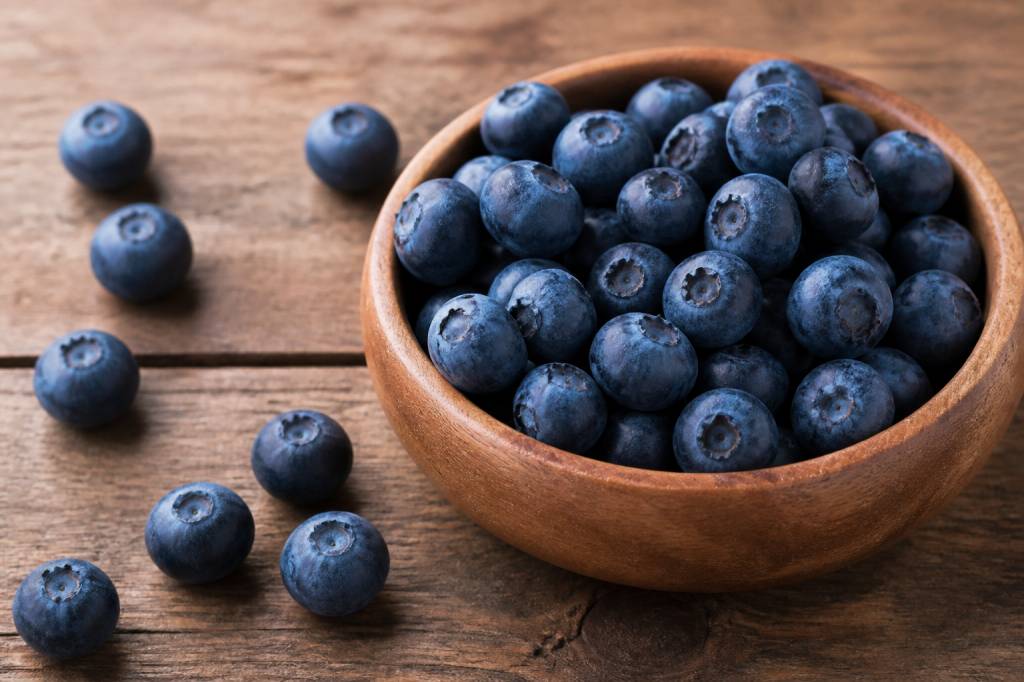
If you are looking for a simple food that delivers plenty of nutrition without many calories, blueberries are hard to beat. One cup of fresh blueberries—about 148 grams—provides fiber, vitamin C, vitamin K, manganese, and a wide range of plant compounds called polyphenols.
But what does 1 cup blueberries nutrition really look like? Are blueberries useful for weight management, exercise recovery, bone health, or even supporting healthy growth? Let’s examine the facts carefully, without turning this small fruit into a miracle food.
Nutrition facts for 1 cup of blueberries
According to data from the U.S. Department of Agriculture, one cup of fresh blueberries contains approximately:
- Calories: 84
- Carbohydrates: 21.4 grams
- Dietary fiber: 3.6 grams
- Total sugars: 14.7 grams
- Protein: 1.1 grams
- Total fat: 0.5 grams
- Vitamin C: 14.4 milligrams
- Vitamin K: 28.6 micrograms
- Manganese: approximately 0.5 milligrams
- Water: roughly 125 grams
These values can vary slightly depending on the variety, ripeness, growing conditions, and serving size. Frozen blueberries are also nutritious, especially when they are frozen soon after harvesting. However, sweetened dried blueberries are a different product: they are much more concentrated in calories and sugar because most of their water has been removed and added sugar is often included.
How many calories are in 1 cup of blueberries?
One cup of fresh blueberries contains about 84 calories. This makes them a practical choice for snacks, breakfast bowls, and desserts when you want something sweet without a large calorie load.
The majority of these calories come from carbohydrates, which include naturally occurring sugars and fiber. The sugar in blueberries is packaged inside a whole fruit, along with water, fiber, vitamins, minerals, and polyphenols. This is very different from drinking a sugary beverage that provides calories with little fiber or micronutritional value.
Of course, the total calorie content of a blueberry snack depends on what you add to it. A cup of blueberries with plain Greek yogurt may create a balanced snack. The same cup covered in syrup, whipped cream, and a generous handful of granola becomes a much more energy-dense dessert. The blueberries have not changed—but the plate has.
Carbohydrates, natural sugar, and fiber
One cup of blueberries provides around 21 grams of carbohydrates, including approximately 15 grams of naturally occurring sugar and 3.6 grams of fiber.
Fiber is particularly useful because it helps slow digestion, supports regular bowel movements, and contributes to a feeling of fullness. Although 3.6 grams is not enough to meet your entire daily fiber requirement, it is a meaningful contribution from one serving of fruit.
Blueberries also have a relatively low glycemic impact compared with many highly processed carbohydrate foods. Their fiber and water content help moderate how quickly the carbohydrates are consumed. Still, people with diabetes or insulin resistance should consider their personal carbohydrate needs and portion sizes. A useful option is to combine blueberries with a source of protein or healthy fat, such as unsweetened yogurt, cottage cheese, nuts, or seeds.
Vitamins and minerals in blueberries
Vitamin C
One cup of blueberries provides approximately 14 milligrams of vitamin C. This vitamin contributes to normal immune function, collagen formation, wound healing, and protection of cells from oxidative stress.
Blueberries are not the richest source of vitamin C—citrus fruits, kiwi, strawberries, and bell peppers generally provide more—but they can still contribute to your daily intake. Nutrition is rarely about finding one perfect food. It is about building a varied pattern that works consistently.
Vitamin K
Blueberries contain about 29 micrograms of vitamin K per cup. Vitamin K is involved in normal blood clotting and bone metabolism.
For most people, blueberries fit comfortably into a balanced diet. However, individuals taking vitamin K-sensitive anticoagulant medication, such as warfarin, should avoid making sudden and dramatic changes to their intake of vitamin K-rich foods. The important principle is consistency. If you take this type of medication, discuss major dietary changes with your healthcare professional.
Manganese
Blueberries also provide manganese, a mineral involved in energy metabolism, connective tissue formation, and antioxidant defense systems. One cup supplies roughly half a milligram, making blueberries a modest but useful contributor to manganese intake.
Because blueberries contain several micronutrients in a low-calorie package, they can be especially helpful for people who want to improve the nutritional quality of their diet without relying on supplements.
Why are blueberries associated with health benefits?
Much of the scientific interest in blueberries comes from their polyphenol content, particularly a group of pigments called anthocyanins. These compounds give blueberries their deep blue-purple color.
Anthocyanins and other polyphenols act as antioxidants in laboratory settings. In the human body, their effects are more complex than simply “neutralizing free radicals.” They may influence cellular signaling, inflammation-related pathways, blood vessel function, and the activity of beneficial gut bacteria.
Research involving berries has found potential associations with several aspects of health. However, it is important to separate promising evidence from exaggerated claims. Eating blueberries does not prevent every disease, reverse aging, or replace medical treatment. Their value comes from being a nutrient-dense food that can form part of a healthy dietary pattern.
Potential benefits for heart and blood vessel health
Regular fruit intake is consistently associated with better cardiovascular health, and berries are often highlighted because of their polyphenol content. Some clinical studies have suggested that blueberry consumption may support blood vessel function and contribute to modest improvements in certain cardiovascular risk markers.
Possible mechanisms include effects on endothelial function—the ability of blood vessels to expand and contract properly—and on oxidative stress. Blueberries also contain fiber and very little saturated fat, which makes them a heart-friendly replacement for many processed desserts.
A practical substitution can be more meaningful than simply adding another food. For example, replacing a pastry at breakfast with oats topped with blueberries, nuts, and plain yogurt may reduce added sugar while increasing fiber and protein.
Blueberries and brain health
Blueberries are also being studied for their possible relationship with cognitive function. Some research in older adults has reported potential benefits from berry or blueberry intake on aspects of memory and brain function, although studies vary in design, dose, and duration.
It would be inaccurate to say that one cup of blueberries will dramatically improve memory. Brain health depends on many factors, including sleep, physical activity, blood pressure, social connection, stress management, and overall diet. Blueberries may be one useful piece of that larger picture.
Think of them as a supportive player, not the entire team.
Do blueberries help you grow taller?
This question is especially relevant for readers interested in height and posture. Blueberries provide nutrients that support general health, but they cannot lengthen bones or increase adult height once the growth plates have closed.
During childhood and adolescence, adequate nutrition is important for normal growth. Blueberries can contribute vitamin C, vitamin K, manganese, carbohydrates, fiber, and protective plant compounds. However, healthy growth also requires sufficient calories, protein, calcium, vitamin D, zinc, iron, and other nutrients.
A bowl of blueberries alone cannot provide everything a growing body needs. A more complete breakfast might include:
- Oats or whole-grain bread for energy and fiber
- Greek yogurt, milk, eggs, or another protein source
- Blueberries for fruit, fiber, and polyphenols
- Nuts or seeds for healthy fats and minerals
For adults, nutrition and exercise can improve posture, muscle development, and body composition, which may help you look taller and move with greater confidence. They do not, however, increase skeletal height after natural growth has ended.
Fresh, frozen, or dried: which blueberries are best?
Fresh blueberries are convenient, hydrating, and easy to add to meals. Choose firm berries with a deep color and avoid containers with visible mold. A pale, powdery coating on the skin is usually the natural wax bloom, not mold.
Frozen blueberries are an excellent alternative. They are often harvested at peak ripeness and can be stored for months. They work well in smoothies, oatmeal, sauces, and baked recipes. Their texture becomes softer after thawing, but their nutritional value remains useful.
Dried blueberries require more attention. Removing water concentrates the calories and sugar, and many commercial products contain added sugar or oil. A small handful can contain the equivalent of several servings of fresh fruit. Check the ingredient list and serving size rather than assuming that “blueberry” automatically means low calorie.
Simple ways to eat one cup of blueberries
One cup is a generous serving, but you do not need to eat it all at once. You can divide it between breakfast and a snack. Here are practical combinations:
- Mix blueberries with plain Greek yogurt, cinnamon, and a tablespoon of seeds.
- Add them to oatmeal with walnuts for a filling breakfast.
- Blend frozen blueberries with milk or fortified soy beverage and plain yogurt.
- Place fresh berries on whole-grain toast with cottage cheese.
- Combine blueberries with a handful of almonds for a portable snack.
- Use them in a salad with leafy greens, chicken, beans, and a light vinaigrette.
- Freeze them and eat them as a refreshing alternative to candy or ice cream.
If you are making a smoothie, remember that it is easy to drink calories faster than you would eat them. Include protein and avoid automatically adding fruit juice, sweetened yogurt, or large amounts of honey.
Are there any drawbacks?
For most people, blueberries are safe and well tolerated. Eating a very large amount may cause digestive discomfort, especially if your usual diet is low in fiber. Increase fiber gradually and drink enough fluids.
People with allergies to berries should avoid them and seek medical advice if symptoms occur. Those with diabetes can generally include blueberries, but portions and total carbohydrate intake still matter. Anyone taking medication affected by vitamin K should maintain a consistent intake and consult a healthcare professional before making significant dietary changes.
Finally, wash fresh blueberries under running water before eating them. Do not wash the entire container long before storage, because excess moisture can encourage spoilage.
The practical takeaway
One cup of fresh blueberries provides about 84 calories, 3.6 grams of fiber, vitamin C, vitamin K, manganese, and a valuable dose of anthocyanin-rich polyphenols. They are naturally sweet, hydrating, and easy to combine with protein-rich foods.
Blueberries can support an overall healthy lifestyle, but they are not a shortcut to greater height or a substitute for medical care. For the best results, place them within a varied diet that also includes vegetables, whole grains, adequate protein, healthy fats, regular movement, and sufficient sleep.
Small choices repeated consistently tend to matter more than dramatic promises. Adding a cup of blueberries to your weekly routine is one simple, realistic step toward a more nutrient-dense way of eating.