
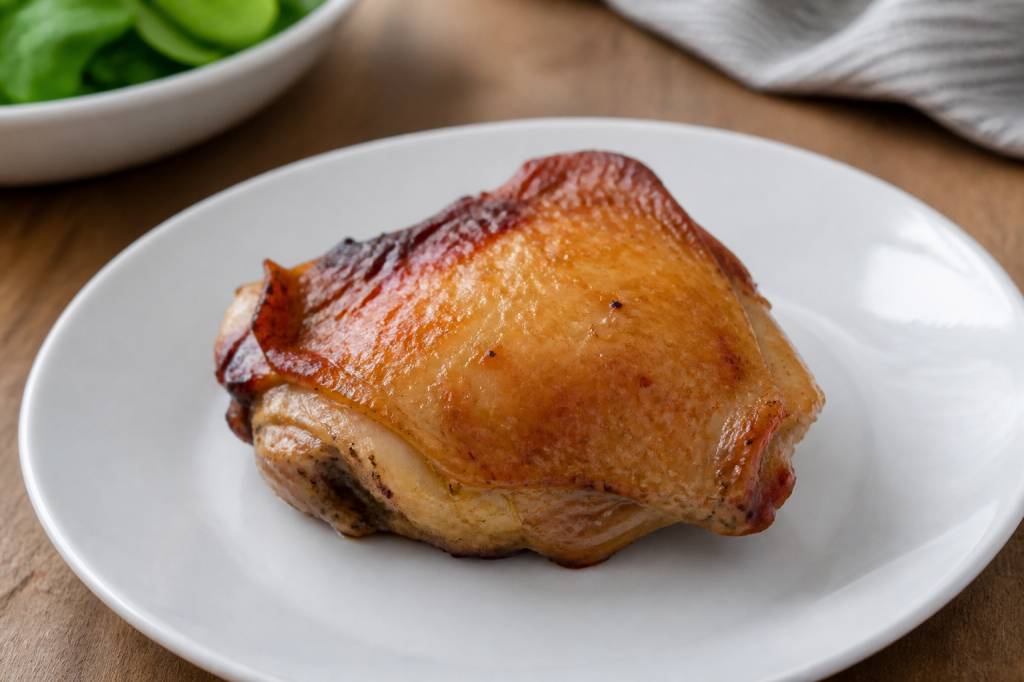
Chicken thighs are often treated as the “less healthy” part of the chicken, but that reputation is too simplistic. They are flavorful, affordable, rich in protein, and packed with useful nutrients. The main factor that changes their calorie content is not simply the word thigh on the package. It is the combination of portion size, cooking method, and whether the skin is included.
So, how many calories are in one chicken thigh? The most practical answer is: approximately 180 to 280 calories for one cooked, bone-in thigh with skin. A smaller, skinless thigh may contain closer to 130–170 calories, while a large restaurant-style thigh cooked with added oil can exceed 300 calories.
This guide explains the nutrition facts behind one chicken thigh, how skin and preparation affect calories, and how to build a balanced serving without turning dinner into a mathematics lesson.
How Many Calories Are in One Chicken Thigh?
There is no single calorie number for “one chicken thigh” because thighs vary considerably in size. A small thigh and a large thigh may look similar on a plate but provide very different amounts of edible meat.
As a general guide, these are reasonable estimates for a cooked chicken thigh:
- Small boneless, skinless thigh, about 3 ounces or 85 grams: approximately 140–160 calories
- Medium boneless, skinless thigh, about 4 ounces or 113 grams: approximately 180–210 calories
- Medium bone-in thigh with skin: approximately 220–280 calories, depending on the amount of meat and skin
- Large roasted thigh with skin and added oil: approximately 280–350 calories
These numbers refer to the edible portion, not the entire weight of a bone-in thigh. A package may list a thigh as weighing 5 or 6 ounces, but part of that weight comes from the bone. If you are tracking calories accurately, weigh the cooked meat after removing the bone, or use the nutrition information supplied for the specific product.
Nutrition Facts for One Medium Chicken Thigh
A medium cooked, boneless, skinless chicken thigh weighing approximately 4 ounces provides a useful combination of protein and essential nutrients. Exact values vary, but a typical serving contains:
- Calories: about 180–210
- Protein: approximately 23–26 grams
- Fat: approximately 8–11 grams
- Saturated fat: roughly 2–3 grams
- Carbohydrates: 0 grams
- Cholesterol: approximately 120–150 milligrams
- Sodium: highly variable, especially in marinated or processed products
Chicken thighs contain no carbohydrates unless they are coated in breadcrumbs, flour, sauce, or a sweet marinade. This makes plain chicken a flexible option for many eating patterns, including lower-carbohydrate diets.
Compared with chicken breast, thighs generally contain slightly more fat and calories but remain an excellent source of protein. They are also darker in color because the muscles contain more myoglobin, a protein involved in oxygen storage. That extra muscle activity contributes to the thigh’s deeper flavor and tender texture.
Chicken Thigh With Skin Versus Skinless
The skin is where much of the additional fat and calories are found. It is also where the crispness and, according to many people, the best flavor live. Nutrition is rarely about declaring one ingredient “good” or “bad”; it is about understanding the trade-off.
Removing the skin from a cooked chicken thigh can reduce the calorie content by approximately 50–80 calories, depending on the size of the skin and how much fat remains attached. A medium skinless thigh may provide around 180–210 calories, while the same thigh with skin may reach 230–280 calories.
Chicken skin is not pure fat. It also contains protein and small amounts of micronutrients. However, it is energy-dense, meaning a relatively small amount contributes a significant number of calories. If your goal is fat loss or calorie control, skinless thighs may make portion management easier.
There is also a practical cooking strategy: roast the thigh with the skin on to retain moisture and flavor, then remove the skin before eating. This will not remove every calorie from the skin because some fat renders into the meat, but it can reduce the overall amount you consume.
Raw Weight and Cooked Weight: Why the Numbers Differ
One of the most common sources of confusion is comparing raw and cooked chicken weights. Cooking removes water from the meat, so the cooked portion weighs less even though its total protein and calorie content have not disappeared.
For example, 5 ounces of raw boneless chicken may weigh only 3.5–4 ounces after roasting. If you compare nutrition data based on raw weight with a cooked portion on your plate, the numbers will not match directly.
When tracking food, use one of these methods consistently:
- Weigh the chicken raw and use nutrition information listed for raw chicken.
- Weigh the chicken after cooking and use nutrition information listed for cooked chicken.
- Use the nutrition label for the exact packaged product, especially if it has been marinated or seasoned.
Consistency matters more than perfection. A small difference in measurement will not determine your health, but switching between raw and cooked data can create unnecessary confusion.
Is Chicken Thigh Healthy?
For most people, chicken thighs can absolutely be part of a healthy diet. They provide high-quality protein containing all nine essential amino acids. Protein supports muscle maintenance, tissue repair, immune function, and the production of enzymes and hormones.
This is particularly relevant if you are exercising regularly. Strength training, posture work, and other forms of physical activity create a greater need for adequate recovery nutrition. A protein-rich meal after training can support muscle repair, although the total protein intake across the entire day matters more than one individual meal.
Chicken thighs also provide several micronutrients:
- Iron: contributes to oxygen transport and helps reduce the risk of iron-deficiency anemia.
- Zinc: supports immune function, wound healing, and normal metabolism.
- Vitamin B6: participates in protein metabolism and nervous system function.
- Vitamin B12: supports red blood cell formation and neurological health.
- Selenium: helps protect cells from oxidative stress and supports thyroid function.
- Niacin, or vitamin B3: contributes to energy metabolism and normal skin and nervous system function.
One important detail: chicken thighs are nutritious, but they are not a complete meal by themselves. A plate containing only chicken may be high in protein but low in fiber, vitamin C, and several plant-based nutrients. Healthy eating is about the overall pattern, not awarding a gold medal to one ingredient.
How Chicken Thighs Compare With Chicken Breast
Chicken breast is leaner, while chicken thigh is usually more tender and flavorful. A similar cooked portion of skinless chicken breast generally contains fewer calories and less fat, but the difference is not enormous when portions are controlled.
For approximately 4 ounces of cooked meat:
- Skinless chicken breast: around 170–190 calories and thirty to thirty-five grams of protein
- Skinless chicken thigh: around 180–210 calories and twenty-three to twenty-six grams of protein
- Chicken thigh with skin: often around 230–280 calories, with more fat and slightly less protein per calorie
If you prefer thighs, there is no nutritional requirement to force yourself to eat dry chicken breast at every meal. Choosing the cut you genuinely enjoy may make it easier to prepare meals at home and maintain a balanced eating routine over time.
Best Cooking Methods for Fewer Calories
The chicken itself is only part of the calorie equation. One tablespoon of cooking oil adds roughly 120 calories, and creamy sauces, cheese, sugary glazes, and fried coatings can quickly exceed the calories in the meat.
For a lighter preparation, try:
- Roasting: season with paprika, garlic, black pepper, thyme, or rosemary and cook on a lined baking tray.
- Grilling: use a simple marinade based on lemon juice, herbs, garlic, and a small amount of olive oil.
- Air frying: this can produce crisp skin with little or no additional oil.
- Poaching: useful for tender, skinless thighs that can be added to salads, wraps, or soups.
- Slow cooking: convenient for batch preparation, especially with vegetables and beans.
Be cautious with the phrase “healthy chicken recipe.” A dish can start with lean protein and finish with a large amount of butter, cream, or sweet sauce. Check the complete ingredient list rather than judging the recipe by its main ingredient.
A Healthy Serving Guide
For many adults, a practical serving of cooked chicken is approximately 3–4 ounces, or about the size of your palm. This generally provides enough protein for a meal without allowing the meat to crowd out vegetables, legumes, whole grains, or other foods.
A balanced plate could include:
- One medium skinless chicken thigh
- One to two cups of non-starchy vegetables, such as broccoli, peppers, green beans, or leafy greens
- A moderate portion of carbohydrates, such as potatoes, brown rice, quinoa, or whole-grain bread
- A small amount of healthy fat, such as olive oil, avocado, seeds, or plain yogurt-based sauce
For someone with higher energy needs, two thighs may be appropriate. This may apply to larger individuals, highly active people, or anyone eating after a demanding training session. For someone aiming to reduce calorie intake, one skinless thigh combined with a generous vegetable portion may be more suitable.
Hunger, body size, activity level, and the rest of the meal all matter. Portion guidance should be a starting point, not a rigid rule.
Chicken Thighs and Weight Management
Chicken thighs can fit into a weight-management plan as long as the overall calorie intake matches your needs. The idea that weight loss requires avoiding all foods containing fat is outdated. Dietary fat contributes to flavor, satisfaction, and the absorption of fat-soluble vitamins.
The more useful question is: How much chicken thigh fits comfortably into my day?
If you are trying to reduce calories, small adjustments can make a meaningful difference:
- Choose skinless thighs more often.
- Measure oil rather than pouring it freely into the pan.
- Use herbs, spices, citrus, vinegar, and garlic for flavor.
- Fill at least half the plate with vegetables.
- Be mindful of calorie-dense sauces and fried coatings.
- Prepare several portions in advance to avoid relying on fast food when hungry.
There is no need to fear a 200-calorie chicken thigh. The problem usually arises when a moderate portion becomes two oversized thighs, creamy sauce, fries, and a sugary drink without being recognized as a high-calorie meal.
Food Safety Matters
Chicken must be cooked thoroughly because raw poultry can carry harmful bacteria. The thickest part of the meat should reach an internal temperature of 165°F, or 74°C, measured with a food thermometer.
Additional safety habits include:
- Keep raw chicken separate from ready-to-eat foods.
- Wash hands, utensils, and surfaces after handling raw poultry.
- Do not rely on color alone to judge doneness.
- Refrigerate cooked chicken within two hours, or within one hour in very hot conditions.
- Use refrigerated leftovers within three to four days.
Proper storage is especially important when cooking several thighs for meal preparation. Healthy food is only helpful when it is handled safely.
Simple Meal Ideas Using One Chicken Thigh
One chicken thigh can become the center of several balanced meals without requiring complicated cooking. Try a roasted thigh with vegetables and a small baked potato. For lunch, shred a skinless thigh over salad greens with chickpeas, tomatoes, cucumber, and a yogurt-herb dressing.
You can also slice cooked chicken into a whole-grain wrap with lettuce, grated carrot, and hummus. Another practical option is a warm bowl containing chicken, brown rice, steamed broccoli, and a spoonful of salsa. These combinations provide protein, fiber, vitamins, and satisfying carbohydrates in addition to the calories from the chicken.
The key principle is simple: chicken thigh is a nutrient-dense ingredient, not a magic food and not a dietary villain. Choose the portion that fits your needs, prepare it with a reasonable amount of added fat, and pair it with plenty of colorful plant foods. That approach gives you flavor, flexibility, and a meal that supports both everyday health and an active lifestyle.