
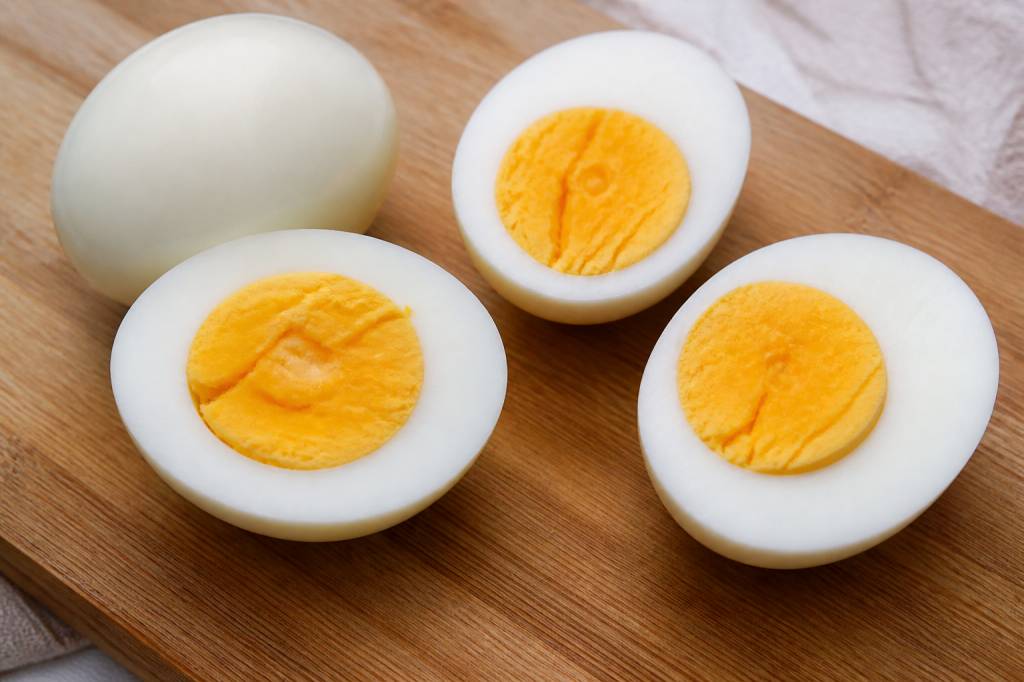
If you have ever stood in front of your fridge wondering whether a boiled egg is a “safe” food or a hidden calorie trap, you are not alone. Eggs are one of those foods that look simple but still raise a lot of questions: How many calories are in one boiled egg? Does the size matter? Does boiling change the calories? And what about the yolk—should we fear it, or respect it?
The short answer is this: a standard large boiled egg contains about 70 to 80 calories. But that number is only the starting point. The exact count depends on the egg’s size, how it is cooked, and what you add to it afterward. If you want a clear, practical explanation without nutrition myths or dramatic shortcuts, let’s break it down properly.
How many calories are in one boiled egg?
A plain boiled egg usually has around 78 calories for a large egg. Smaller eggs contain fewer calories, and extra-large eggs contain more. Here is a simple estimate:
- Small boiled egg: about 54 calories
- Medium boiled egg: about 63 calories
- Large boiled egg: about 78 calories
- Extra-large boiled egg: about 90 calories
These values are for a boiled egg with no added ingredients. That means no butter, no oil, no mayo, no salt-heavy sauces—just the egg itself. Once you start turning it into egg salad or deviled eggs, the calorie count can rise quickly. Very quickly. Sometimes with just a spoonful of mayo, the egg becomes merely the supporting actor.
Why such variation between sizes? Because calories come from the amount of protein and fat in the egg, and larger eggs naturally contain more of both. The yolk contributes most of the calories, while the white is much lighter.
What in a boiled egg provides the calories?
An egg is made of two main parts: the egg white and the yolk. They do not contribute equally.
- Egg white: mostly protein and water, very low in calories
- Egg yolk: contains fat, vitamins, minerals, and most of the calories
For a large egg, the white contains roughly 17 calories, while the yolk contains about 55 calories. That is why people who only eat egg whites are cutting calories, but they are also skipping important nutrients found in the yolk.
The yolk is not the villain some diets make it out to be. It contains vitamin D, choline, vitamin A, vitamin B12, selenium, and healthy fats. In other words, the yolk is where a lot of the nutritional value lives. If you are trying to build a balanced diet, throwing away the yolk every time may not be the best trade-off.
Does boiling change the calories in an egg?
Boiling itself does not add calories. A boiled egg and a raw egg of the same size have nearly the same calorie content. Heat changes the texture and digestibility of the proteins, but not the energy value in any meaningful way.
That is one reason boiled eggs are so popular in nutrition plans: they are simple, portable, and easy to portion. They also do not require added fats for cooking, unlike fried eggs or omelets made with butter or oil.
Compare that with other egg preparations:
- Boiled egg: about 78 calories
- Poached egg: about 70 to 80 calories
- Fried egg: often 90 to 120+ calories, depending on oil or butter
- Scrambled eggs: can vary widely based on added milk, cheese, butter, or cream
So if your goal is to keep calories controlled while still getting a nutrient-dense food, boiling is one of the cleanest options.
What affects the calories in a boiled egg?
Although the egg itself is fairly consistent, several factors can change the calorie count you actually eat.
Egg size
This is the most obvious factor. A small egg has fewer calories than a large egg because it contains less protein and fat. If your nutrition tracking is precise, egg size matters more than most people think. Two eggs can look similar in a bowl but still differ enough to make a difference in a tight calorie plan.
Whether you eat the whole egg
Eating only the white dramatically lowers the calorie count. But it also changes the nutrient profile. Egg whites are a great source of lean protein, but they are not nutritionally equivalent to whole eggs. If you are eating eggs for satiety, vitamins, and overall balance, the yolk deserves a place on the plate.
Added ingredients
This is where many “healthy” egg meals quietly become calorie-dense.
- Mayonnaise: adds calories fast in egg salad or deviled eggs
- Butter or oil: not relevant for boiling, but important if eggs are later pan-fried
- Cheese: increases both calories and fat content
- Sauces and spreads: can add more than expected, especially creamy ones
A boiled egg eaten plain is very different from a boiled egg turned into a mayonnaise-heavy snack. The egg did not change much; the extras did.
Cooking time and nutrient changes
Boiling longer does not significantly change calorie content, but it can affect texture and digestibility. A soft-boiled egg and a hard-boiled egg are very similar in calories. The difference lies more in preference and how you use them in meals.
From a practical point of view, overcooking does not “destroy” calories or turn the egg into something lighter. That is not how nutrition works, even if the internet occasionally behaves like it is.
Are boiled eggs good for weight management?
Boiled eggs are often recommended in weight management plans for a few good reasons. They are filling, high in protein, easy to prepare, and relatively low in calories compared with many snack foods.
Protein plays a major role here. Foods high in protein tend to increase satiety, which means you feel fuller for longer. That can make it easier to control overall calorie intake without constant snacking. A boiled egg is not magic, but it is useful.
Here is a practical example: if you replace a 250-calorie pastry with two boiled eggs, you are getting a much more protein-rich snack for about 156 calories. The result? Less sugar crash, more satiety, and usually fewer “I need something else in 20 minutes” moments.
That said, eggs are just one part of the picture. Weight management depends on the whole diet, not on one so-called superfood. Boiled eggs can support your goals, but they will not compensate for an overall unbalanced eating pattern.
How many calories are in two or three boiled eggs?
Sometimes one egg is just a teaser, and real life means eating more than that. If you are counting calories, it helps to know the numbers for common portions.
- 1 large boiled egg: about 78 calories
- 2 large boiled eggs: about 156 calories
- 3 large boiled eggs: about 234 calories
For most people, two boiled eggs make a solid breakfast component or snack. Add fruit, vegetables, whole-grain toast, or yogurt, and you have a more balanced meal with protein, fiber, and micronutrients.
If you are using eggs as part of a higher-protein eating plan, that can be especially helpful around training, long mornings, or days when you need something easy to carry. Not glamorous, perhaps, but effective.
Boiled eggs and their nutritional benefits beyond calories
Focusing only on calories misses the bigger nutritional picture. Boiled eggs provide more than energy—they provide useful nutrients in a compact package.
- High-quality protein: supports muscle maintenance and repair
- Choline: important for brain function and cell health
- Vitamin B12: supports nerve function and red blood cell formation
- Vitamin D: contributes to bone health and immune function
- Selenium: an antioxidant mineral involved in many body processes
For active people, that protein is particularly valuable. Whether you are walking more, training regularly, or just trying to preserve lean mass, eggs can fit easily into a protein-forward eating pattern.
Of course, no single food can cover all nutritional needs. But eggs are efficient, affordable, and versatile. That combination is hard to beat.
Are boiled eggs suitable every day?
For many healthy people, yes—boiled eggs can be eaten regularly as part of a balanced diet. They are not inherently problematic. The main question is how they fit into your overall eating pattern, your preferences, and your health needs.
If you have high cholesterol, diabetes, or a specific medical condition, it is wise to discuss egg intake with a healthcare professional, especially if you eat eggs very often. Nutritional guidance should always be personalized when medical factors are involved.
For most people, a boiled egg or two can be a practical, nutritious choice. The key is variety. Relying on eggs alone for protein is not ideal, just as relying on chicken, yogurt, or tofu alone is not ideal. A good diet works like a team, not a one-person show.
Simple ways to keep boiled eggs healthy and satisfying
If you want to make boiled eggs work well in your meals, keep the preparation simple and the plate balanced.
- Pair them with vegetables like tomatoes, cucumber, or spinach
- Add a source of fiber, such as whole-grain toast or fruit
- Use herbs, pepper, paprika, or mustard instead of heavy sauces
- Prepare several eggs in advance for quick meals during busy days
- Watch portions if you are tracking calories closely
A boiled egg with a salad is very different from a boiled egg smothered in creamy dressing and eaten with chips. Same food at the center, very different nutritional outcome.
If your goal is simply to eat better without overcomplicating your life, boiled eggs are one of the easiest tools you can keep in your routine. They are fast, affordable, and straightforward—which is exactly what makes them useful.
The bottom line on boiled egg calories
A boiled egg contains about 70 to 80 calories, with a large egg averaging around 78 calories. The exact number depends mainly on size, while boiling itself does not significantly change the calorie content. What really alters the total is what you do with the egg afterward—adding mayo, butter, cheese, or other calorie-dense ingredients can quickly change the picture.
If you want a food that is simple, protein-rich, and easy to fit into a balanced diet, boiled eggs are a strong option. They are not a miracle food, but they do offer a lot of nutrition for relatively few calories. And in everyday life, that is often exactly the kind of practical food people can actually stick with.